
Multisyllabic Words
Explore articles, free downloads, and practical instructional resources to support explicit word-reading instruction, including longer, multisyllabic words.
← Back to Search by Topic
Explore Free Resources
All resources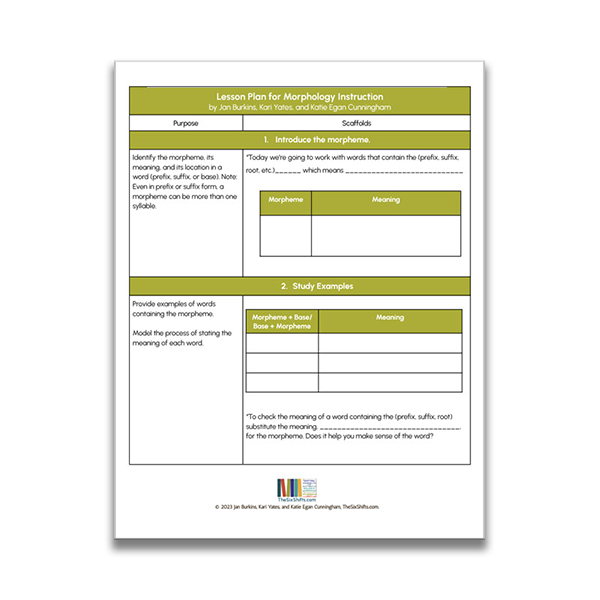
Morphology Instruction Lesson Planning Template
A step-by-step planning template to help students look within words for morpheme clues, connect related words, and develop word knowledge....
Get the resource →
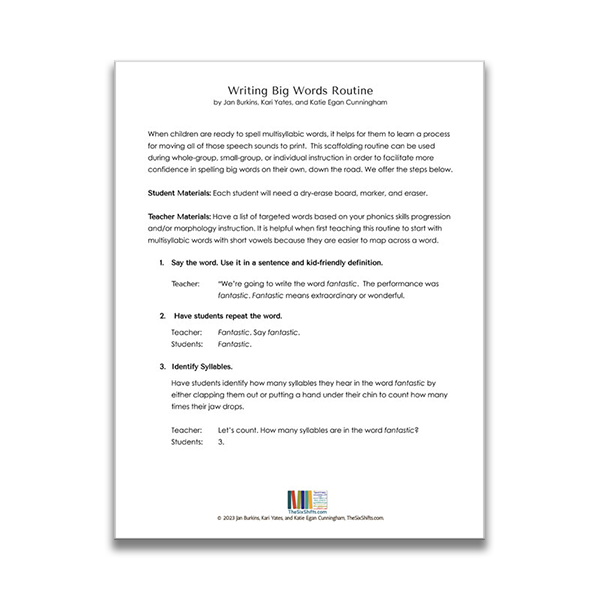
Routine for Writing Big Words
A step-by-step routine for writing multisyllabic words by aligning sounds and spellings across the whole word.
Get the resource →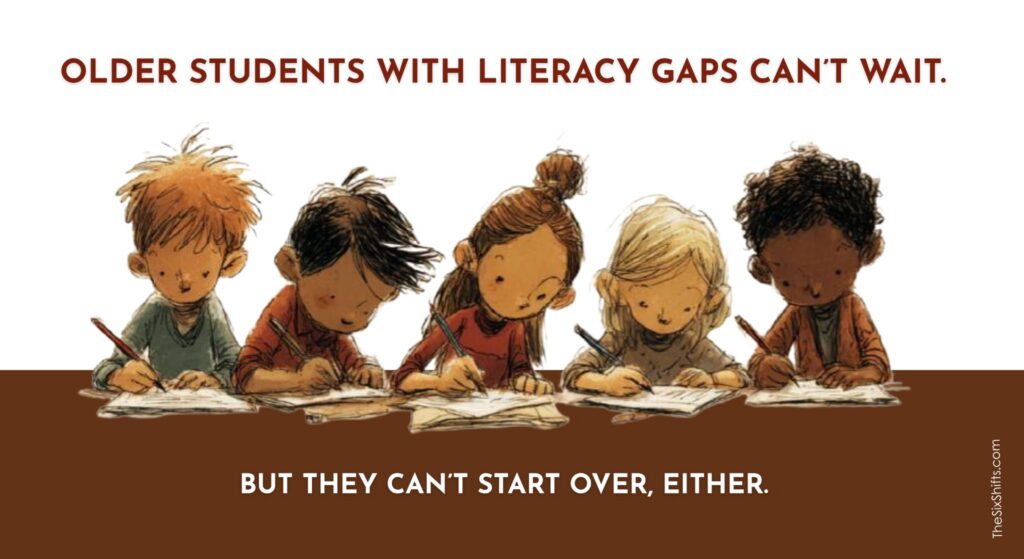
How to Help Struggling Readers: 6 Strategies That Make a Difference
Explore research-informed ways to support readers in grades 3–5 who have literacy gaps, while keeping meaningful, grade-level learning within reach.
Read the article →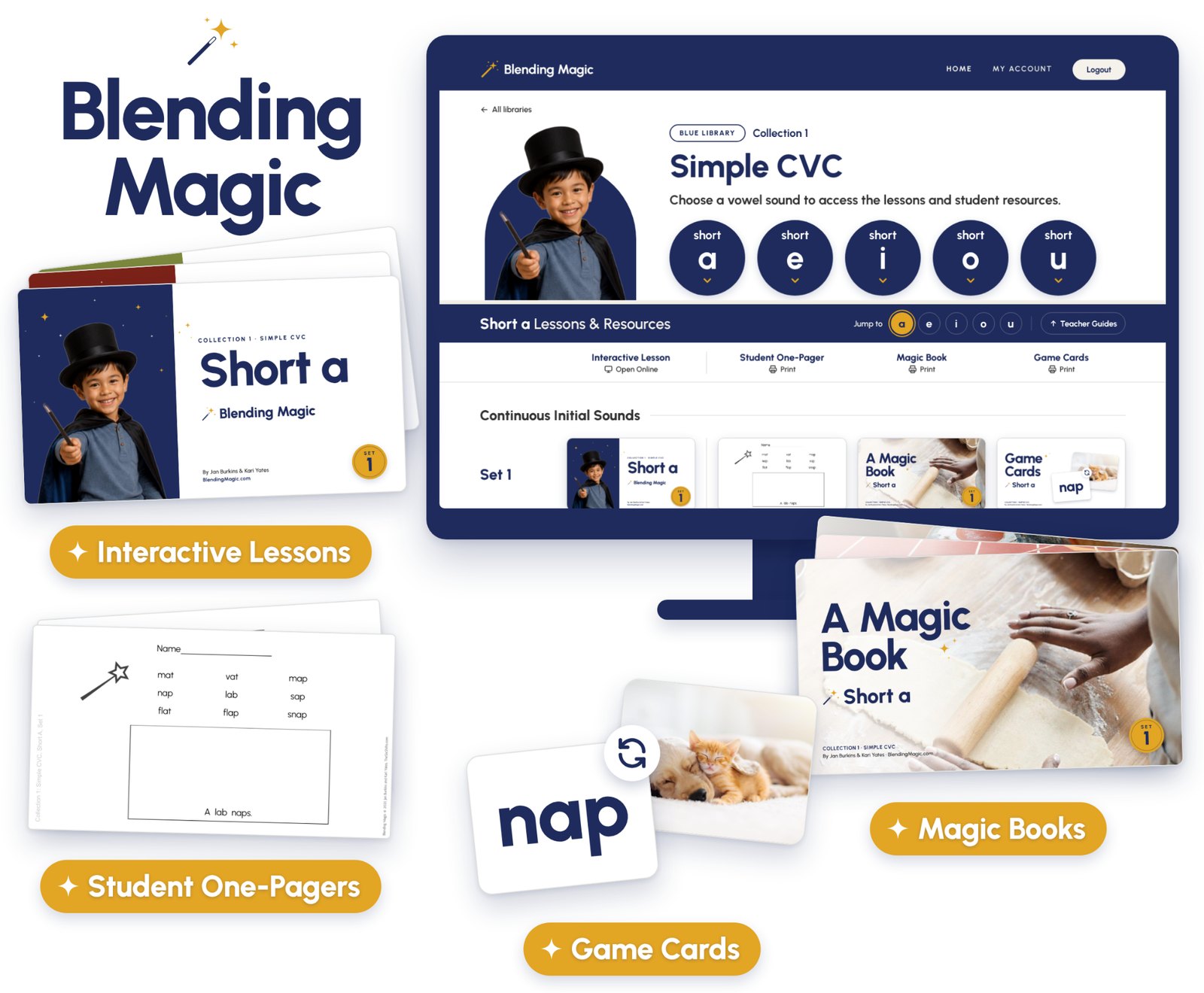
Blending Magic
Animated blending lines that make decoding practice meaningful, a ready-to-project classroom tool.
Explore Blending Magic →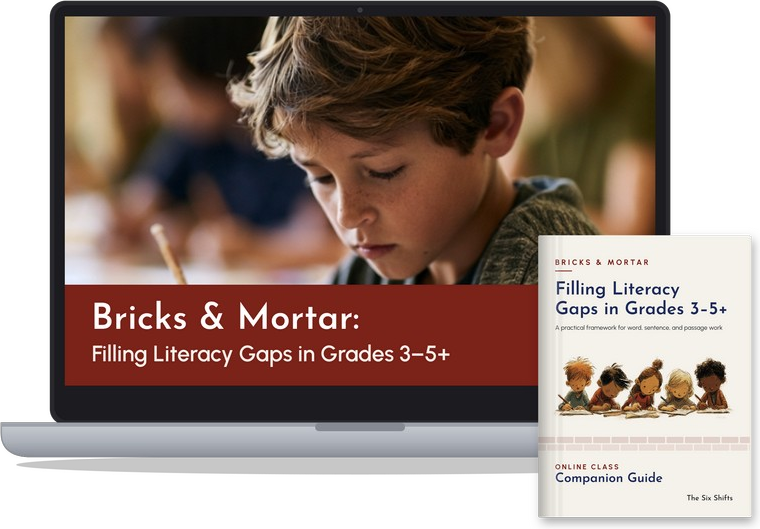
Bricks & Mortar: Filling Literacy Gaps 3–5+
Grades 3–5+ teachers, interventionists, specialists, and teams supporting unfinished foundations.
Explore the online class →
Multi-Year Plan for Systematic Morphology Instruction
A suggested scope and sequence for intentional morphology instruction across the upper elementary grades. An example pathway to systematically teach...
Get the resource →
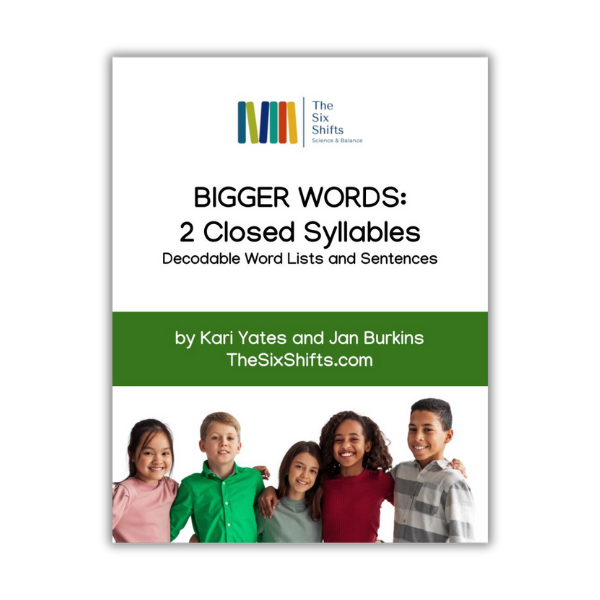
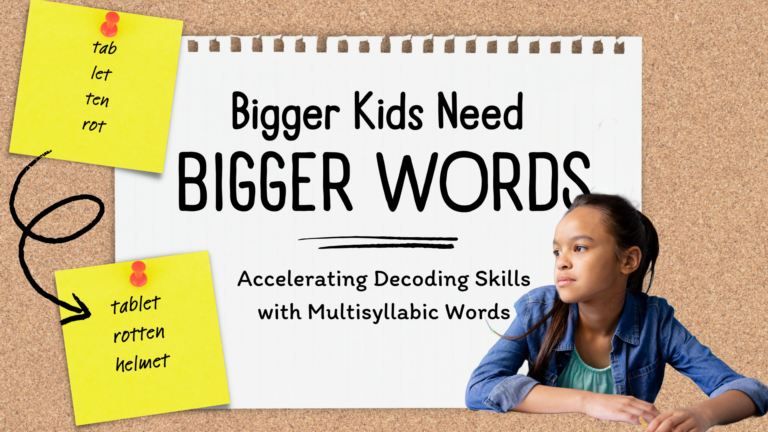
BIGGER Kids Need BIGGER Words: Accelerating Decoding Skills With Multisyllabic Words
Use bigger words to revisit foundational spelling patterns with older readers, connecting multisyllabic word reading and spelling with the learning...
Read the article →
Making Phonics and Word Study Meaning-FULL: 10 EASY Ways to Embed More Meaning Into Decoding Instruction
Bring more meaning into phonics and word study with ten practical ways to connect decoding practice to vocabulary, language, and...
Read the article →
Adjustments to Small-Group Instruction (Part 2):What else is STILL IMPORTANT, and What else NEEDS RECONSIDERING?
Continue reconsidering small-group instruction for early decoders, with further adjustments that bring familiar practices into closer alignment with how children...
Read the article →
Adjustments to Small-Group Instruction (Part 1): What’s STILL IMPORTANT and What NEEDS RECONSIDERING?
Consider what to keep and what to reconsider in small-group instruction, with five adjustments to better support students who are...
Read the article →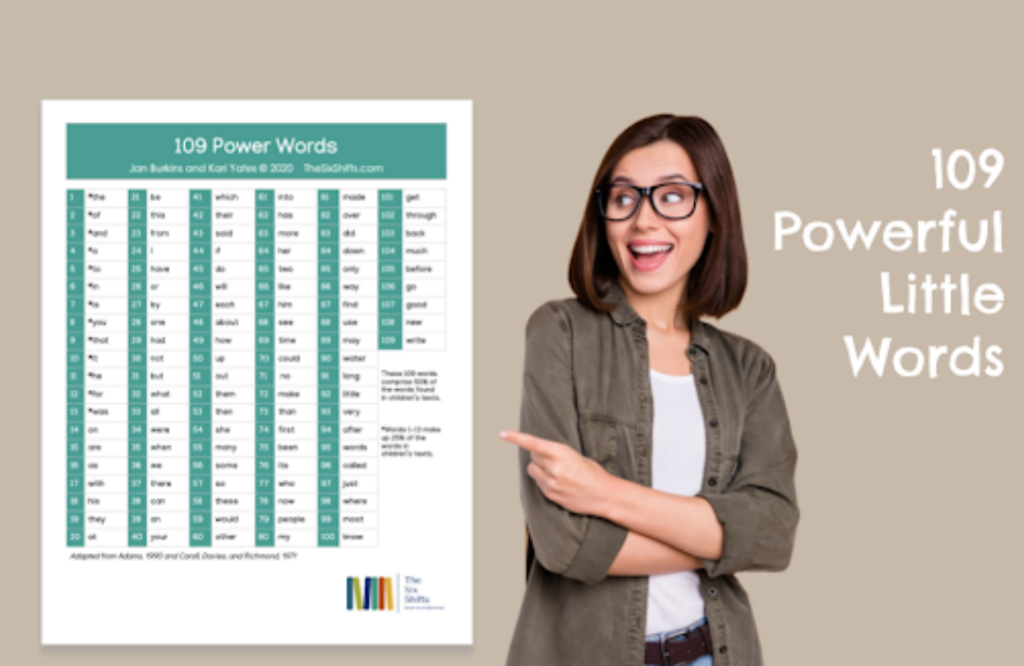
Looking for a bit of ✨magic✨in your sight word instruction? Start here!
Explore the thinking behind effective high-frequency word instruction and how connecting sounds and spellings helps make words stick.
Read the article →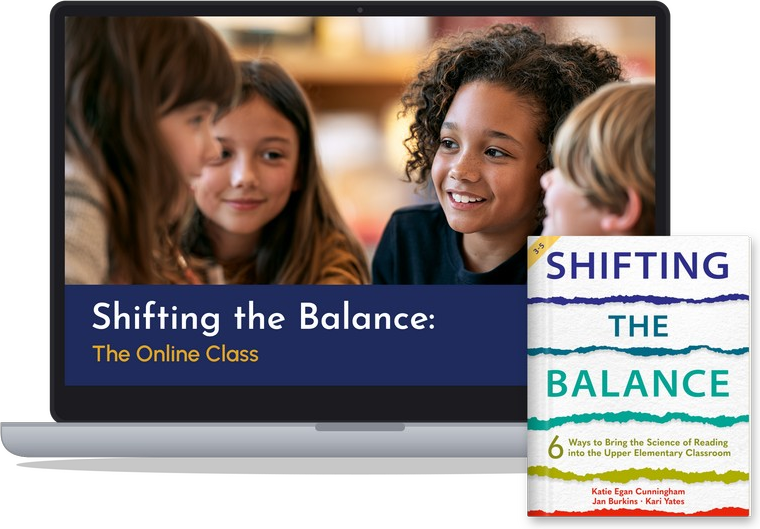
Shifting the Balance: Developing Readers
Grades 3–5 teachers, coaches, and teams strengthening upper-elementary reading.
Explore the online class →
Helping Children Remodel Their Brains for Reading
Explore how learning to read builds on existing brain systems, and consider the role of instruction in helping children connect...
Read the article →Tools & Classes for Teaching Multisyllabic Words
Explore classroom tools and professional learning designed to support multisyllabic word instruction.
Bricks & Mortar: Filling Literacy Gaps 3–5+
Grades 3–5+ teachers, interventionists, specialists, and teams supporting unfinished foundations.
Explore the online class →Shifting the Balance: Developing Readers
Grades 3–5 teachers, coaches, and teams strengthening upper-elementary reading.
Explore the online class →The Shift in a Nutshell
In Shifting the Balance (Grades 3–5), Shift 4, “Reclaiming Word-Reading Instruction in the Intermediate Grades,” names a common practice to reconsider: “We aren’t intentional enough in assessing and teaching word-recognition skills.” The shift it recommends: