
New: Bricks & Mortar: Filling Literacy Gaps 3–5+: filling literacy gaps in grades 3–5. Enrollment is open
New: Bricks & Mortar: Filling Literacy Gaps 3–5+. Enrollment is open. Explore the class →
Home› Resource Library› Prompting & Feedback

Content Corner

Prompting & Feedback

Everything we have made on prompting & feedback, printables, articles and episodes, gathered in one place.

12
Resources
K–5
Grade range
Free
Every one of them

Everything on Prompting & Feedback

Downloads & Reading

All resources
Download

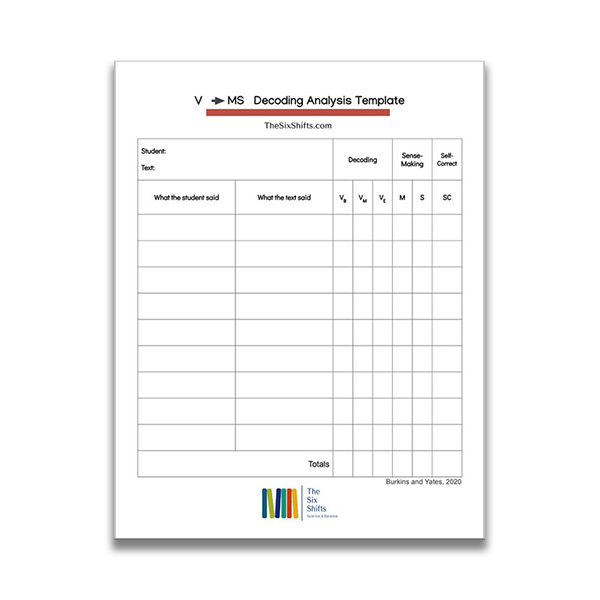
V-MS Decoding Analysis Form

We’ve breathed fresh life into a familiar tool, helping you move from miscue analysis to decoding analysis and identify skills that help readers navigate similar challenges in the future.

Download free →
Download

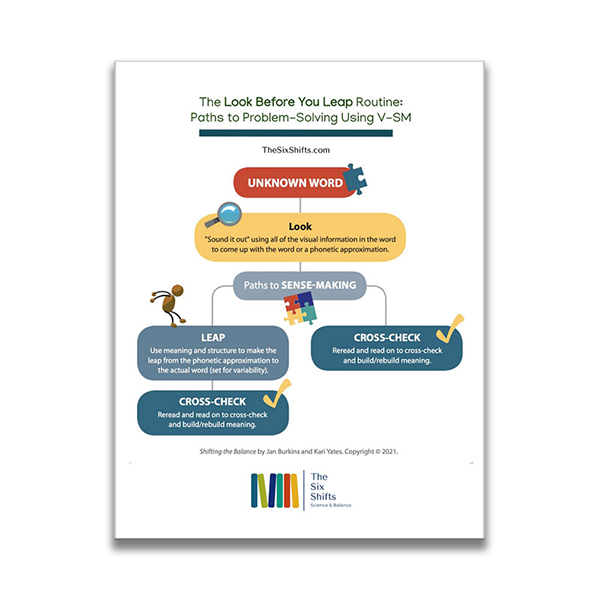
The “Look Before You Leap” Routine: Problem-Solving Using V-MS

A routine for helping readers begin with the letters in a word, then check whether the word they read makes sense and fits the sentence.

Download free →
Download

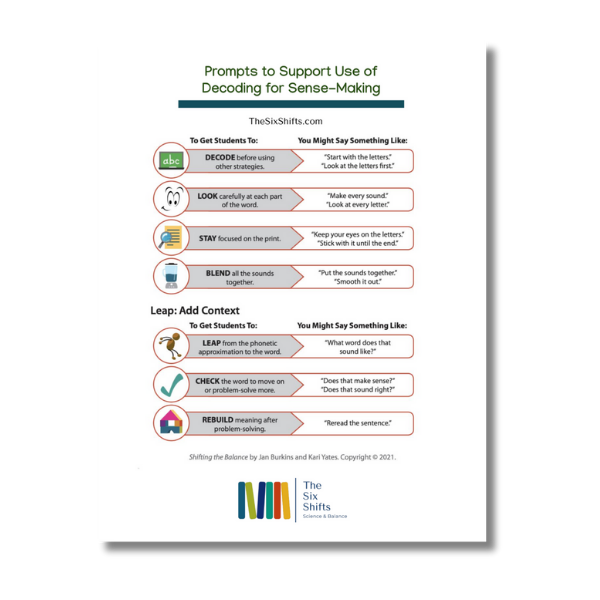
Prompts to Support Using Decoding for Sensemaking

Teacher prompts to support decoding for sensemaking help readers attend to the letters, work through unfamiliar words, and check that what they read makes sense.

Download free →
Article

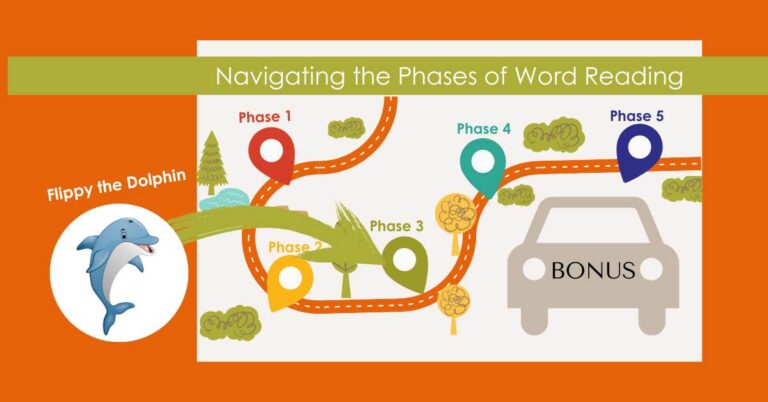
Showing Readers How to Navigate the Phases of Word Learning (Bonus): The Power of Teaching Readers to Try Alternate Sounds

Explore how prompting readers to try an alternate sound can support flexible decoding when their first attempt at a word doesn’t make sense.

Read →
Article

Showing Readers How to Navigate the Phases of Word Learning (Part 6): The Power of Teaching Students to Blend Words

Explore how to prompt beginning readers to blend through words, using sound-spelling information from beginning to end to support decoding.

Read →
Article

Showing Young Readers How to Navigate the Phases of Word Reading (Part 5): The Downsides of Asking Children to Search for Chunks in Words

Reconsider prompts that ask beginning readers to search for familiar chunks, and explore how those prompts fit with students’ developing word-reading skills.

Read →
Go Deeper, TogetherOnline classes

Go Deeper, Together

The Six Shifts taught by Kari and Jan, with classroom video and practical routines.

Browse online classes →
Article

Shifting the Balance: Answers to Some Important Questions

Read answers to questions about Shifting the Balance, including the intentions behind the book and its invitation to reconsider familiar literacy practices.

Read →
Article

A Message to Literacy Educators from Jan and Kari

A message from Jan and Kari about the purpose of Shifting the Balance and its invitation to bring reading research into familiar classroom practices.

Read →
Article

Showing Young Readers How to Navigate the Phases of Word Reading (Part 4): Why Skipping the Word Is Problematic

Examine what happens when we teach readers to skip unfamiliar words, and how to keep their attention on the information needed to decode tricky words.

Read →
Article

Showing Young Readers How to Navigate the Phases of Word Reading (Part 3): Why Looking at the First Letter of the Word Isn’t Enough (even when “read” correctly)

Explore why looking at the first letter isn’t enough, even when a reader guesses correctly, and how prompting can support attention to the whole word.

Read →
Article

Showing Young Readers How to Navigate the Phases of Word Reading (Part 2): Why Looking at the Pictures Isn’t as Helpful as We Thought

Reconsider asking readers to use pictures to identify unfamiliar words, with attention to the word-learning processes that support increasingly independent reading.

Read →
Article

Showing Young Readers How to Navigate the Phases of Word Reading (Part 1): A Journey Through Ehri’s Phases

Use Ehri’s phases of word learning as a map for understanding beginning readers and choosing prompts that help them move toward more efficient word reading.

Read →

Go wider

Browse by Topic

Every printable, article and episode we have made, sorted by the part of teaching reading it belongs to.

All content corners Browse everything
Content Corner

Prompting & Feedback

Explore articles, free downloads, and practical instructional resources to support prompting and feedback that help readers solve words with print first.

← Back to Search by Topic

Explore Free Resources

All resources

The “Look Before You Leap” Routine: Problem-Solving Using V-MS
Download

The “Look Before You Leap” Routine: Problem-Solving Using V-MS

A routine for helping readers begin with the letters in a word, then check whether the word they read makes...

Get the resource →

V-MS Decoding Analysis Form
Download

V-MS Decoding Analysis Form

We’ve breathed fresh life into a familiar tool, helping you move from miscue analysis to decoding analysis and identify skills...

Get the resource →
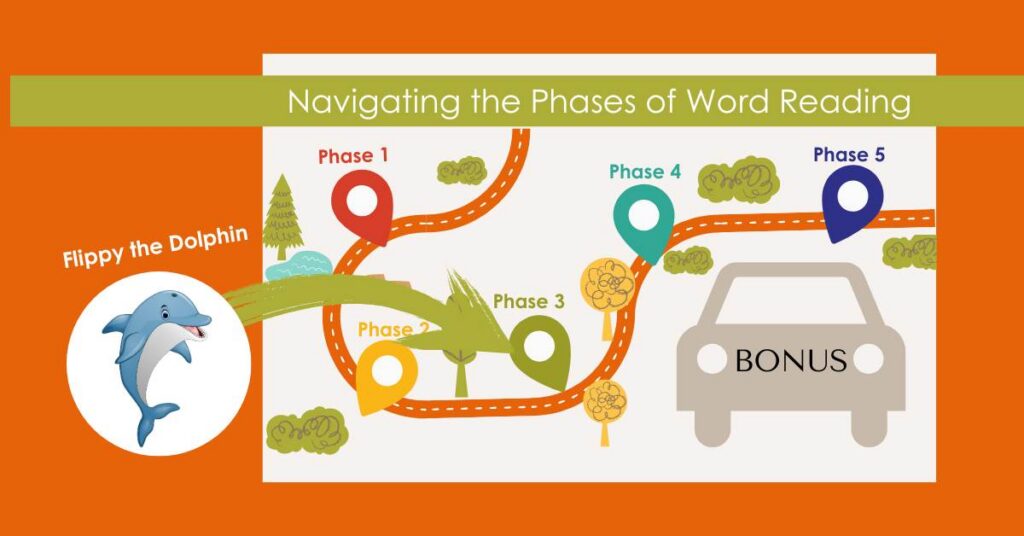
Showing Readers How to Navigate the Phases of Word Learning (Bonus): The Power of Teaching Readers to Try Alternate Sounds
Article

Showing Readers How to Navigate the Phases of Word Learning (Bonus): The Power of Teaching Readers to Try Alternate Sounds

Explore how prompting readers to try an alternate sound can support flexible decoding when their first attempt at a word...

Read the article →

Go Deeper, Together
Online classes

Go Deeper, Together

The Six Shifts taught by Kari and Jan, with classroom video and practical routines.

Browse online classes →
Shifting the Balance: Beginning Readers
Online Class

Shifting the Balance: Beginning Readers

K–2 teachers, reading specialists, coaches, and teams supporting beginning readers.

Explore the online class →
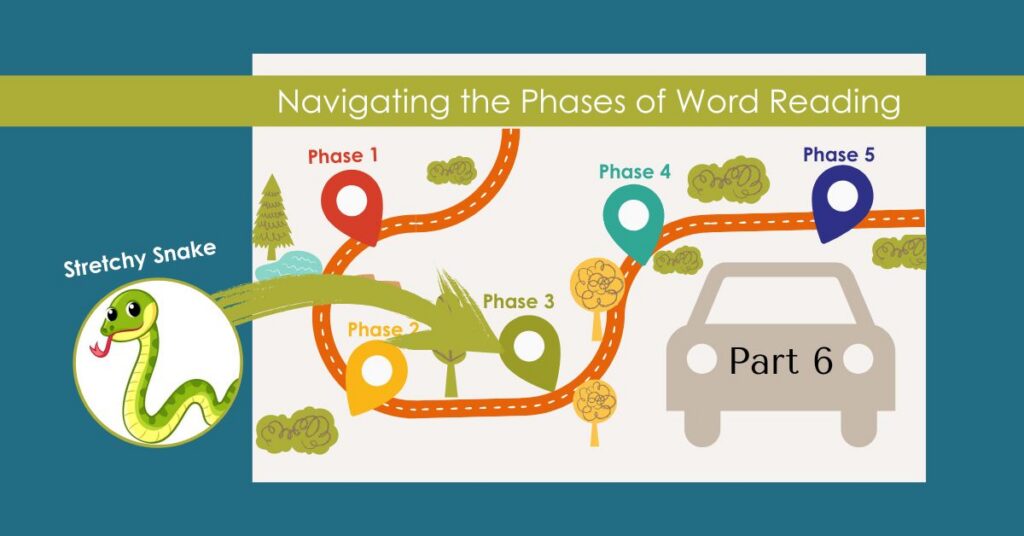
Showing Readers How to Navigate the Phases of Word Learning (Part 6): The Power of Teaching Students to Blend Words
Article

Showing Readers How to Navigate the Phases of Word Learning (Part 6): The Power of Teaching Students to Blend Words

Explore how to prompt beginning readers to blend through words, using sound-spelling information from beginning to end to support decoding.

Read the article →
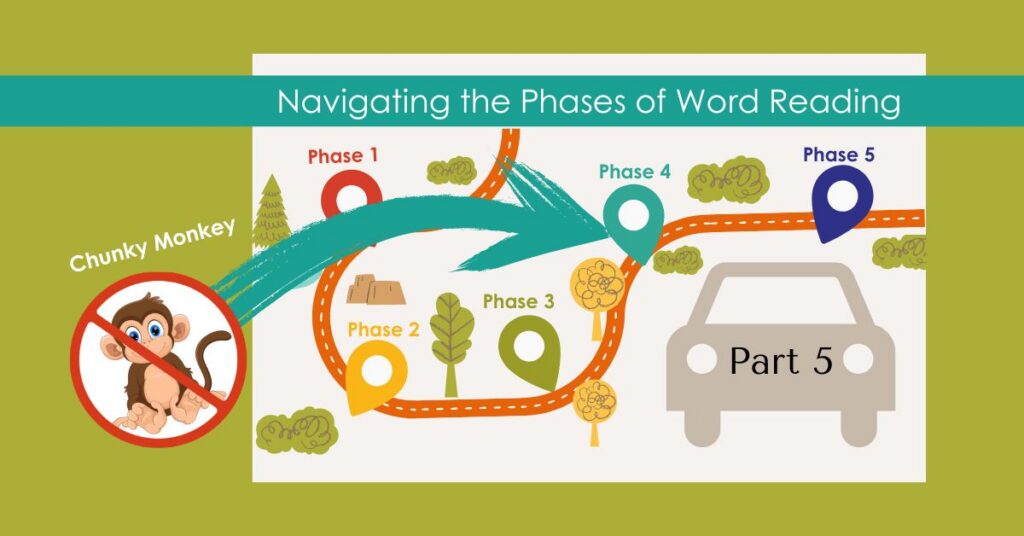
Showing Young Readers How to Navigate the Phases of Word Reading (Part 5): The Downsides of Asking Children to Search for Chunks in Words
Article

Showing Young Readers How to Navigate the Phases of Word Reading (Part 5): The Downsides of Asking Children to Search for Chunks in Words

Reconsider prompts that ask beginning readers to search for familiar chunks, and explore how those prompts fit with students’ developing...

Read the article →
Showing Young Readers How to Navigate the Phases of Word Reading (Part 4): Why Skipping the Word Is Problematic
Article

Showing Young Readers How to Navigate the Phases of Word Reading (Part 4): Why Skipping the Word Is Problematic

Examine what happens when we teach readers to skip unfamiliar words, and how to keep their attention on the information...

Read the article →
Showing Young Readers How to Navigate the Phases of Word Reading (Part 3): Why Looking at the First Letter of the Word Isn’t Enough (even when “read” correctly)
Article

Showing Young Readers How to Navigate the Phases of Word Reading (Part 3): Why Looking at the First Letter of the Word Isn’t Enough (even when “read” correctly)

Explore why looking at the first letter isn’t enough, even when a reader guesses correctly, and how prompting can support...

Read the article →
Showing Young Readers How to Navigate the Phases of Word Reading (Part 2): Why Looking at the Pictures Isn’t as Helpful as We Thought
Article

Showing Young Readers How to Navigate the Phases of Word Reading (Part 2): Why Looking at the Pictures Isn’t as Helpful as We Thought

Reconsider asking readers to use pictures to identify unfamiliar words, with attention to the word-learning processes that support increasingly independent...

Read the article →
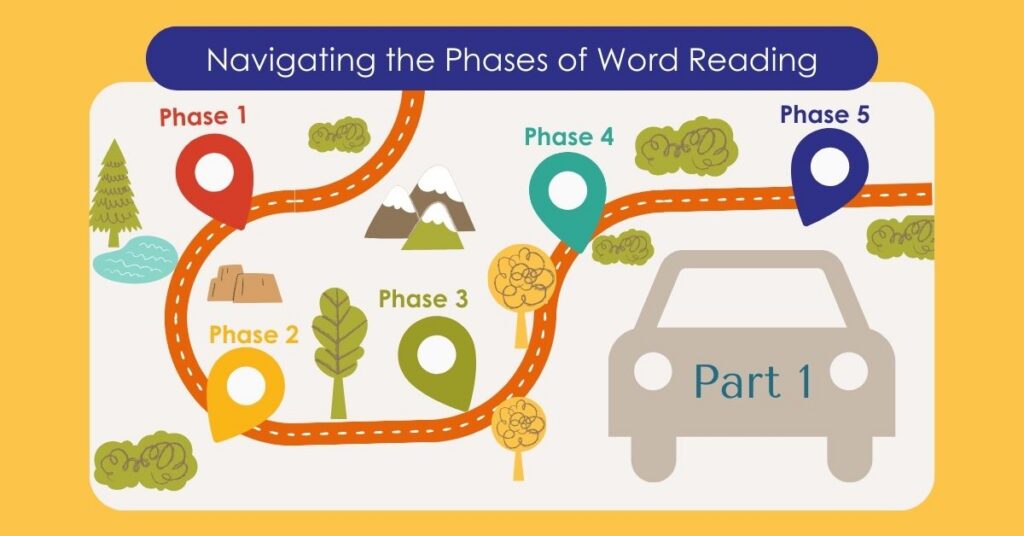
Showing Young Readers How to Navigate the Phases of Word Reading (Part 1): A Journey Through Ehri’s Phases
Article

Showing Young Readers How to Navigate the Phases of Word Reading (Part 1): A Journey Through Ehri’s Phases

Use Ehri’s phases of word learning as a map for understanding beginning readers and choosing prompts that help them move...

Read the article →
Shifting the Balance:  Answers to Some Important Questions
Article

Shifting the Balance: Answers to Some Important Questions

Read answers to questions about Shifting the Balance, including the intentions behind the book and its invitation to reconsider familiar...

Read the article →
A Message to Literacy Educators from Jan and Kari
Article

A Message to Literacy Educators from Jan and Kari

A message from Jan and Kari about the purpose of Shifting the Balance and its invitation to bring reading research...

Read the article →

Tools & Classes for Teaching Prompting & Feedback

Explore classroom tools and professional learning designed to support prompting andamp; feedback.

Why this corner exists

The Shift in a Nutshell

In Shifting the Balance (K–2), Shift 5, “Reinventing the Ways We Use MSV (3 Cueing Systems),” names a common practice to reconsider: “Treating decoding as a strategy of last resort.” The shift it recommends:

“Prioritize print as a strategy of first resort for word solving, using meaning and structure to cross-check.”
Dr. Jan Burkins & Kari Yates, Shifting the Balance: 6 Ways to Bring the Science of Reading into the Balanced Literacy Classroom, Shift 5