











Phonics
Explore articles, free downloads, and practical instructional resources to support explicit, systematic phonics instruction.
← Back to Search by TopicExplore Free Resources
All resources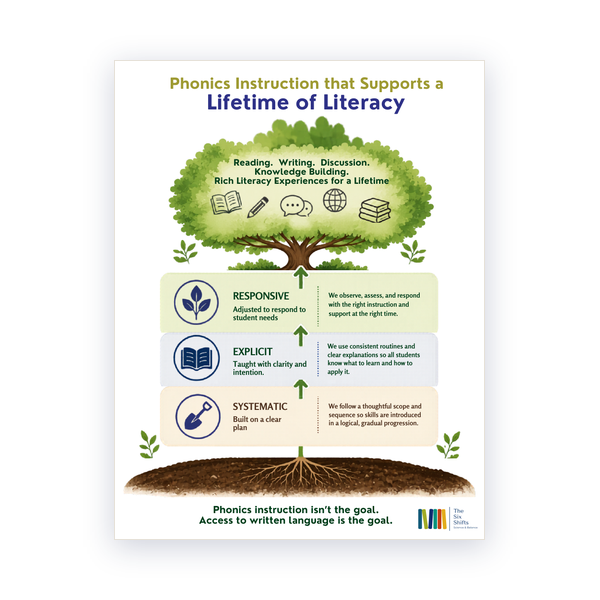
Phonics Instruction that Supports a Lifetime of Literacy
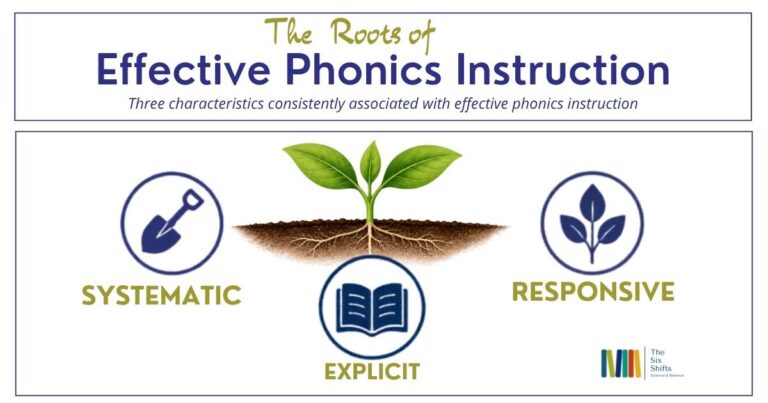
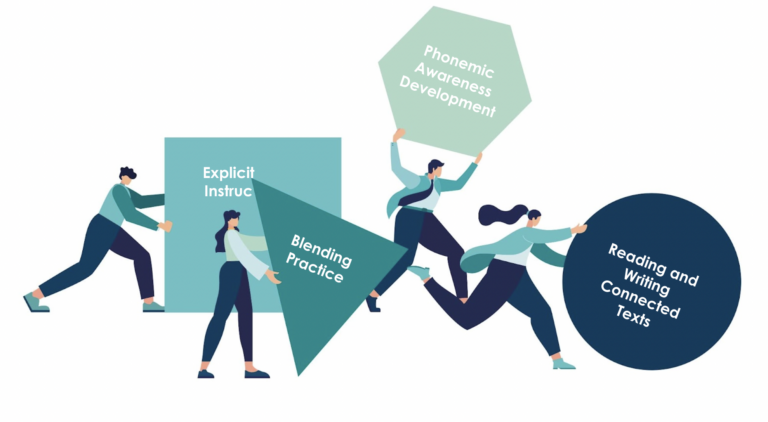
A one-page graphic showing what systematic, explicit, and responsive phonics instruction looks like and how it supports reading, writing, discussion, and knowledge building.
Get the resource →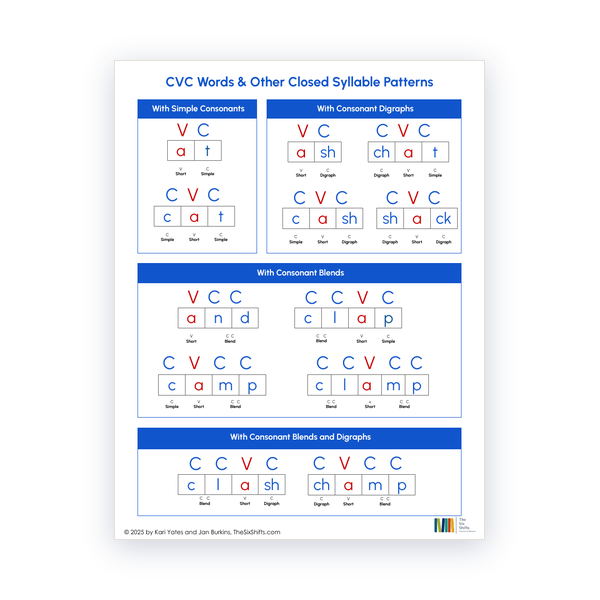
Cracking the Code on CVC Words
An infographic explainer of CVC words and related closed-syllable patterns, including words with consonant digraphs and blends.
Get the resource →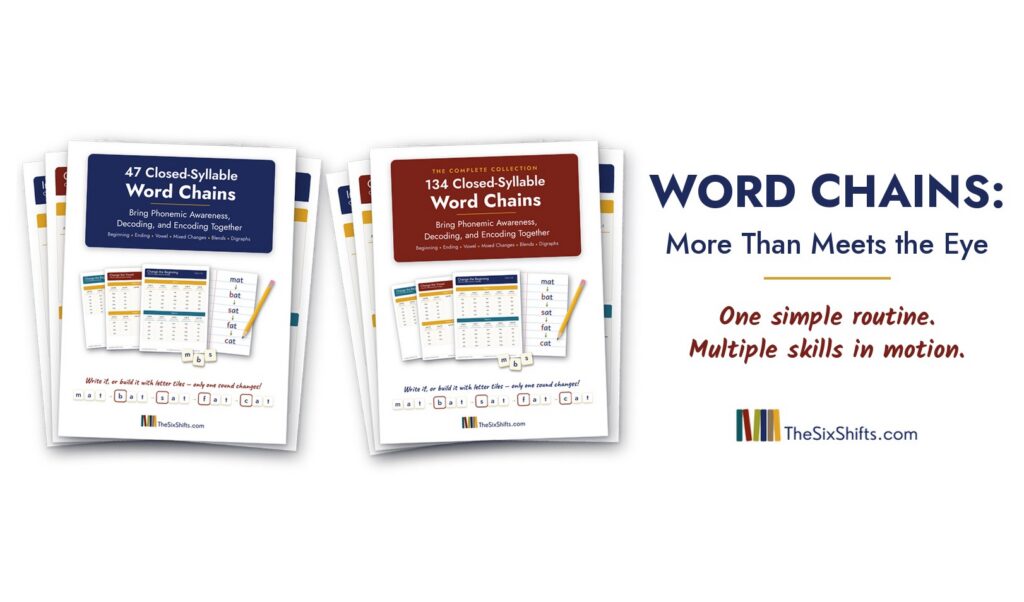
Word Chains: More Than Meets the Eye
Look closely at what happens between one word and the next. Explore how word chains bring phonemic awareness, phonics, spelling,...
Read the article →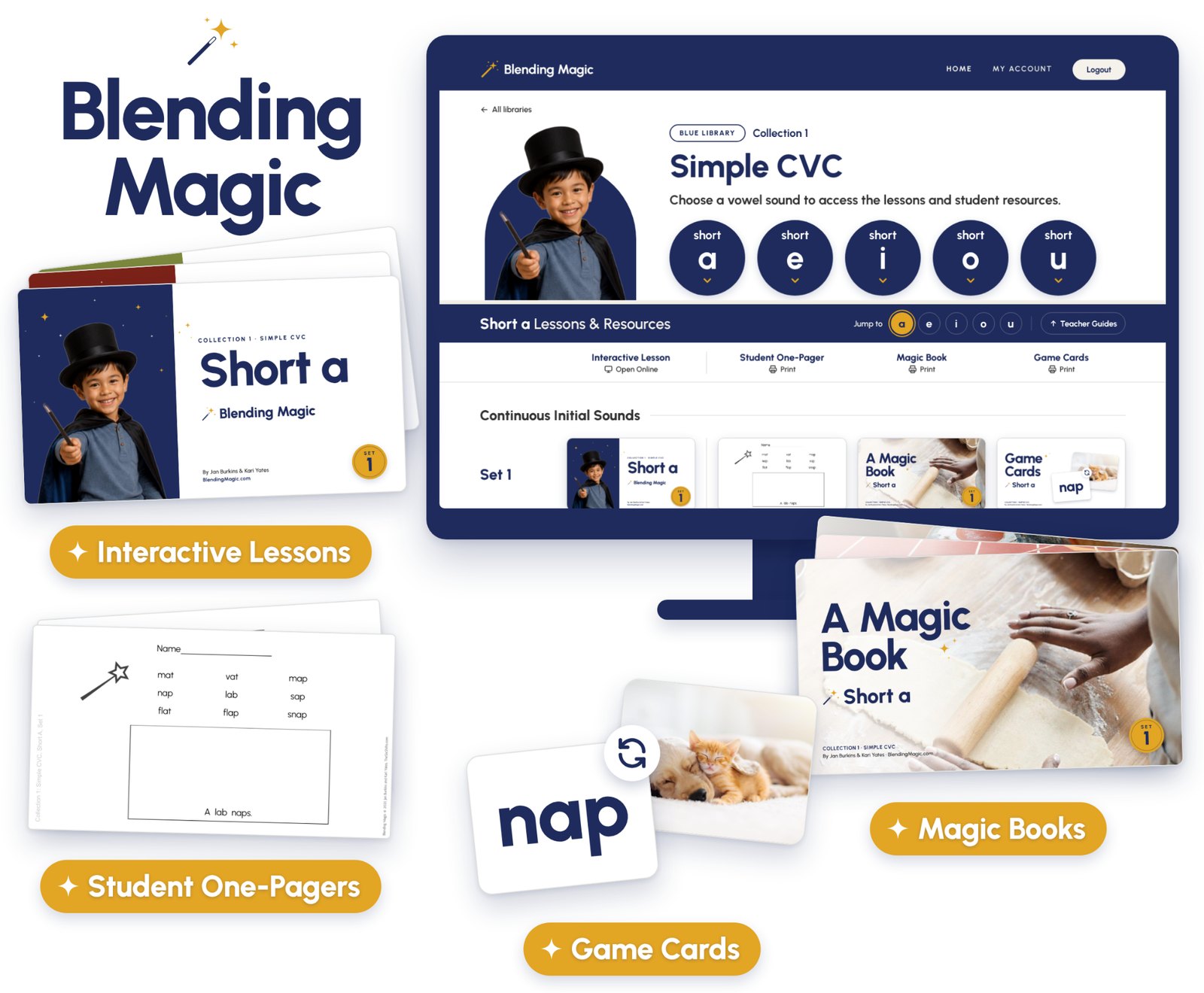
Blending Magic
Animated blending lines that make decoding practice meaningful, and take the prep out entirely.
Explore Blending Magic →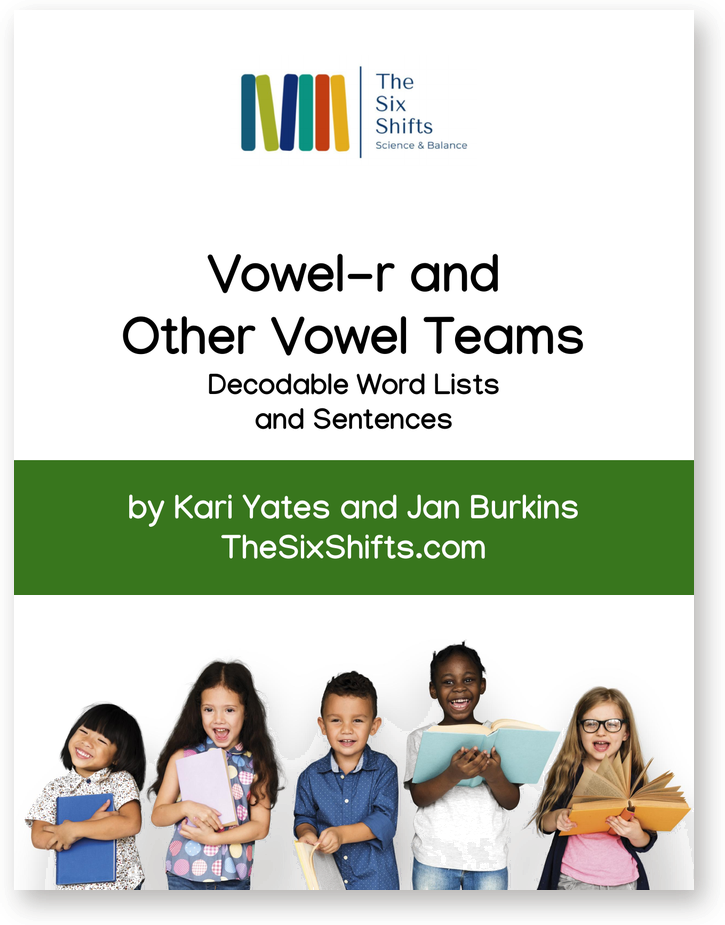
R-Controlled and Other Vowel Sounds: Decodable Word Lists and Sentences
Word lists and practice sentences for r-controlled vowels and other vowel spellings, including au, aw, ew, oi, oo, ou, and...
Get the resource →
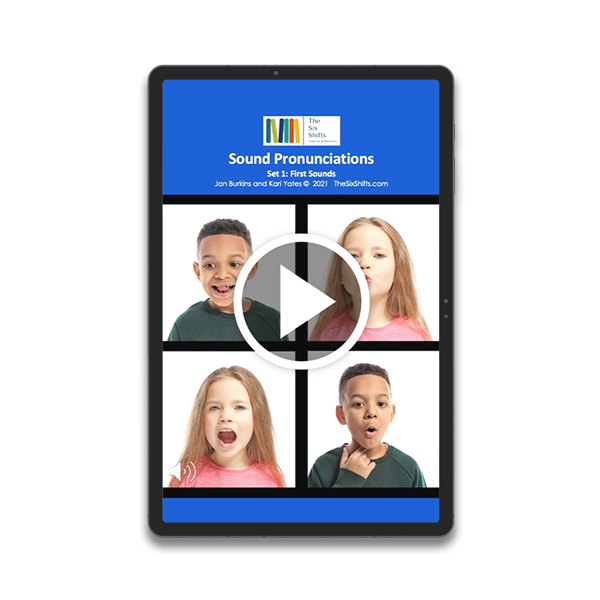
Sound Pronunciation Video: First Sounds
Learn correct alphabet letter sounds in this video. Perfect for teaching alphabet sounds, minimizing schwa, and improving articulation for blending...
Watch now →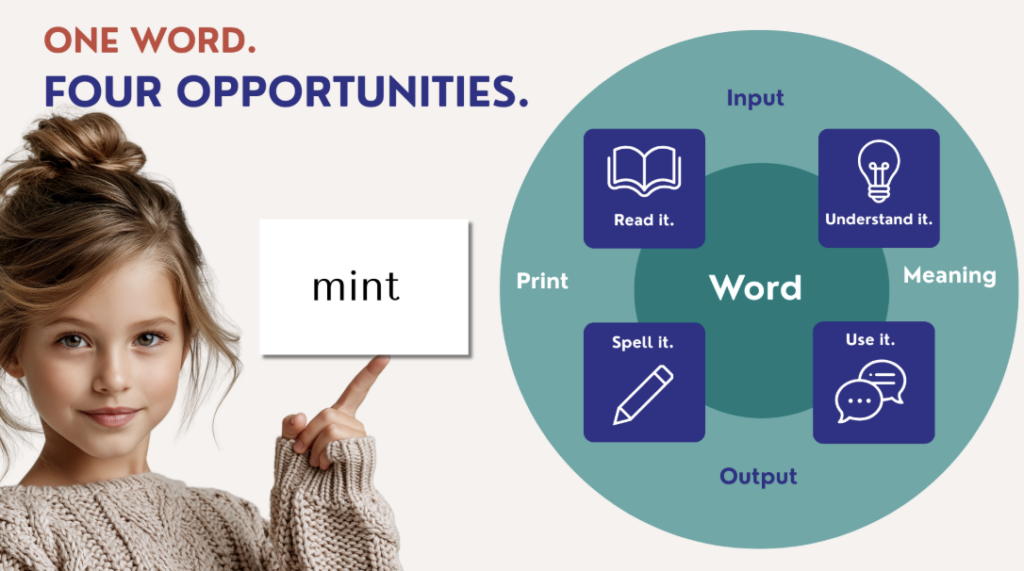
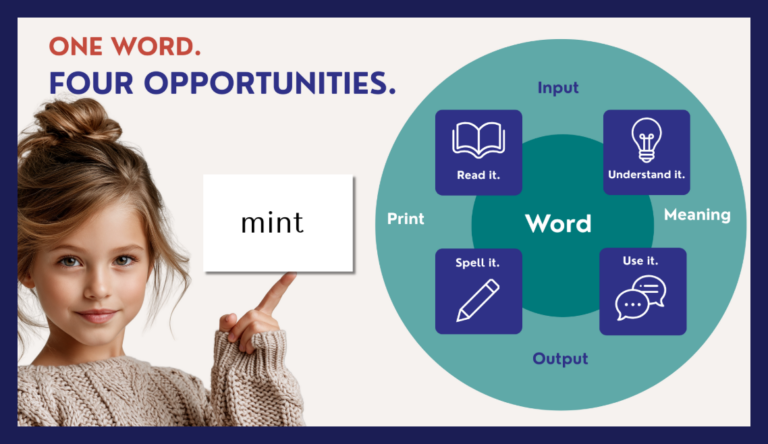
How to Get More from Your Phonics Curriculum
Four ways to help your phonics curriculum do more by using a single word to connect reading, spelling, meaning, and...
Read the article →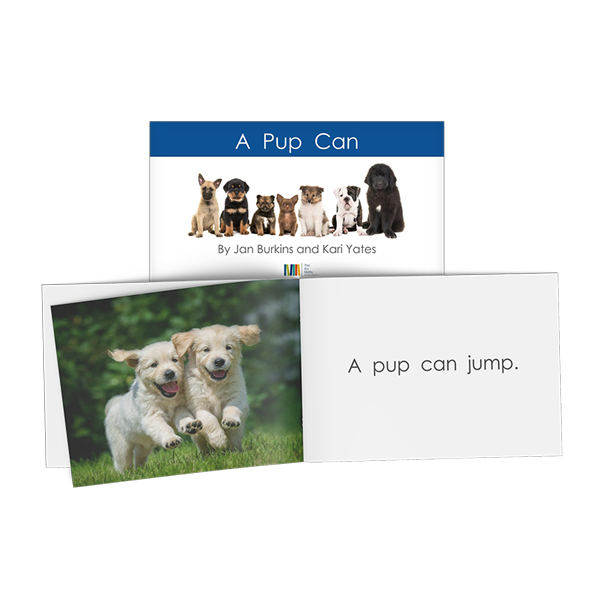
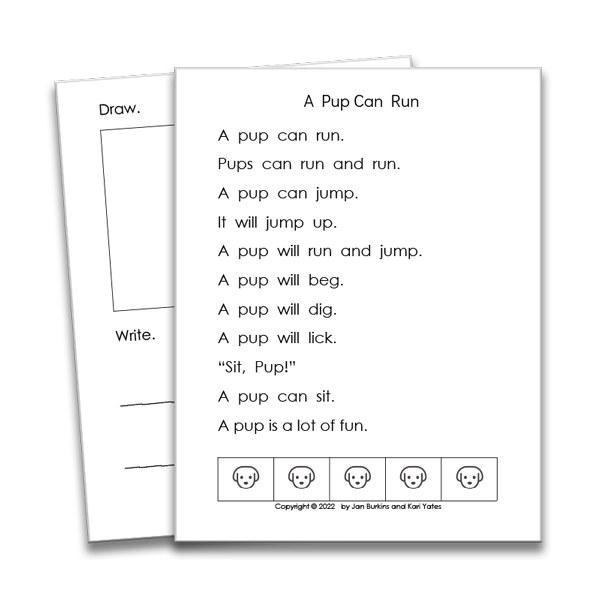
A Pup Can: Print-and-Assemble PDF
An engaging print-and-assemble decodable book for practicing short-vowel CVC words.
Get the resource →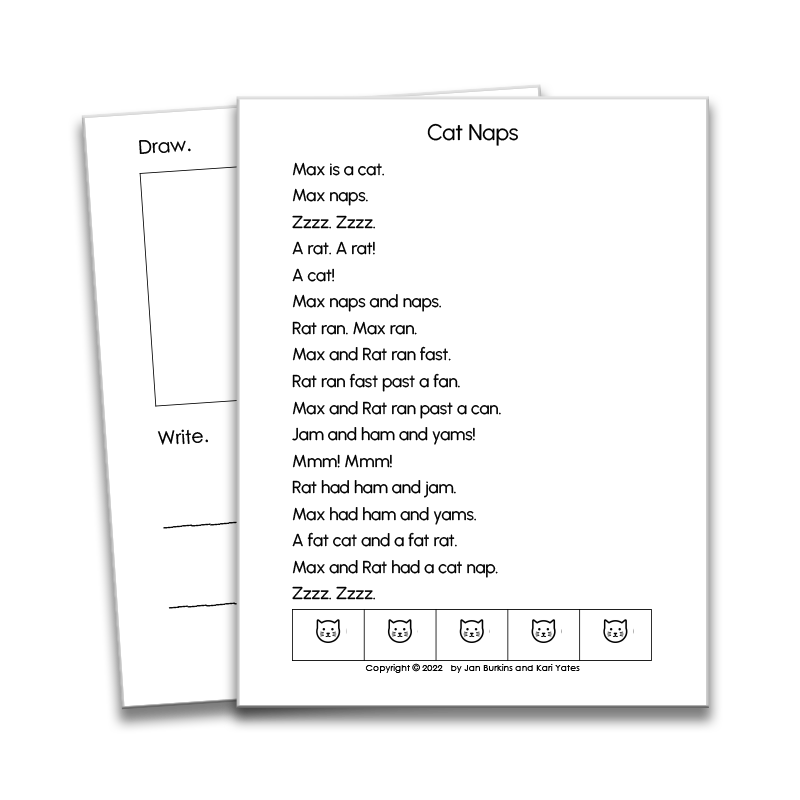
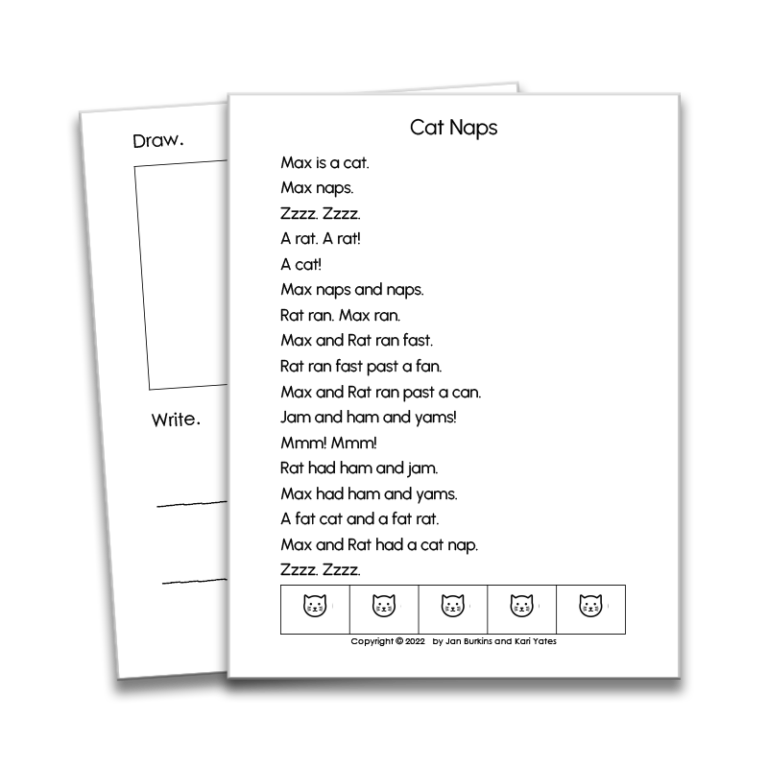
Cat Naps: Printable One-Pager
A one-page version of Cat Naps for short-a CVC decoding practice.
Get the resource →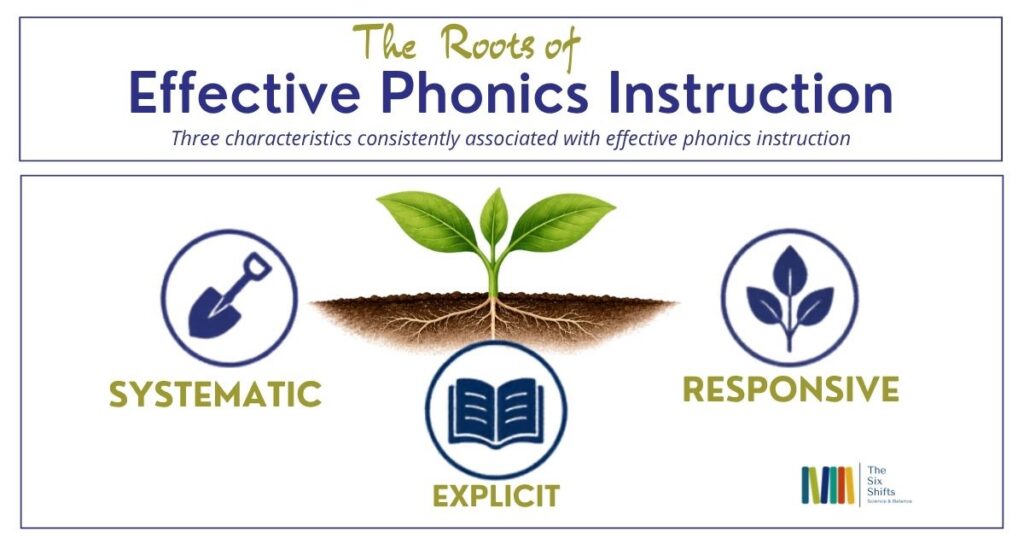
Explicit and Systematic Phonics Instruction Is Essential. But Don’t Stop There.
Explicit, systematic phonics instruction matters. Explore how to connect it with spelling, vocabulary, and language so students can use what...
Read the article →
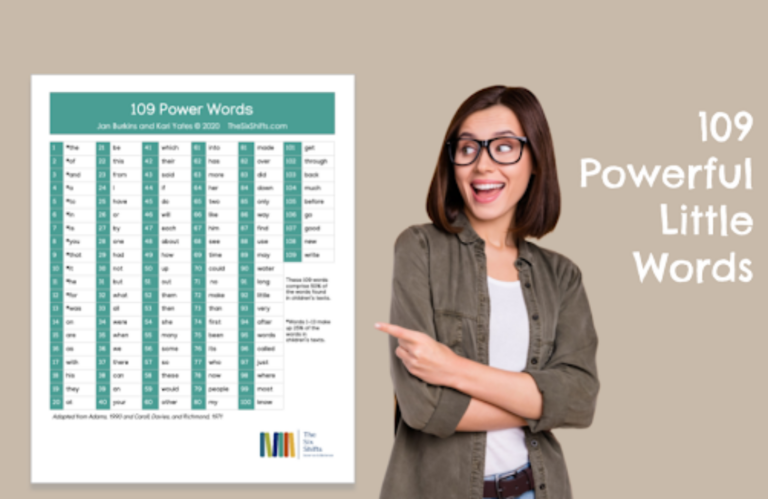
Heart Word Success
A 10-step flipbook lesson for all 109 high-frequency words, built on orthographic mapping.
Explore Heart Word Success →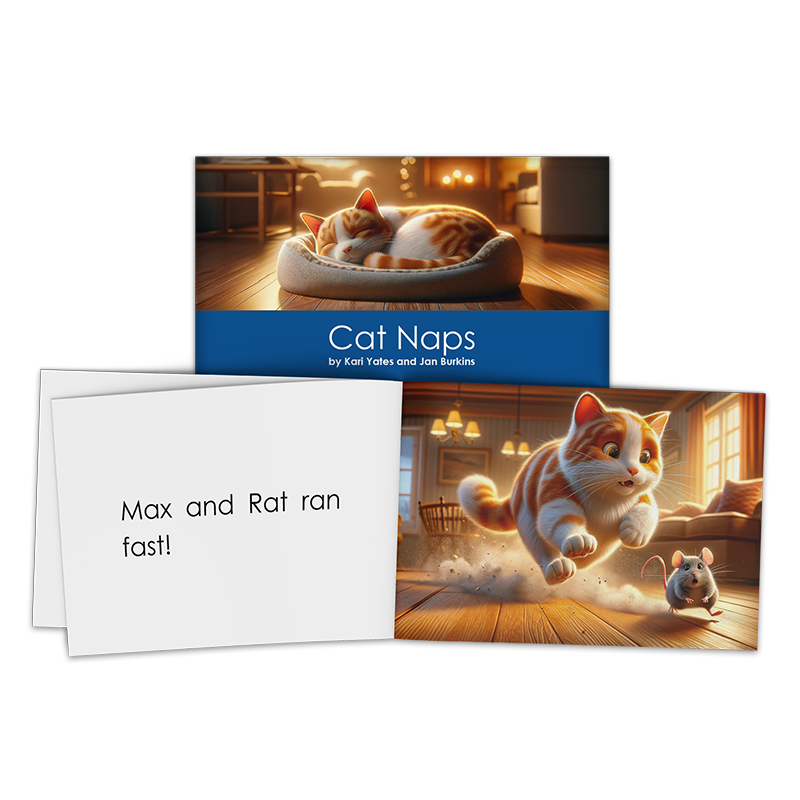
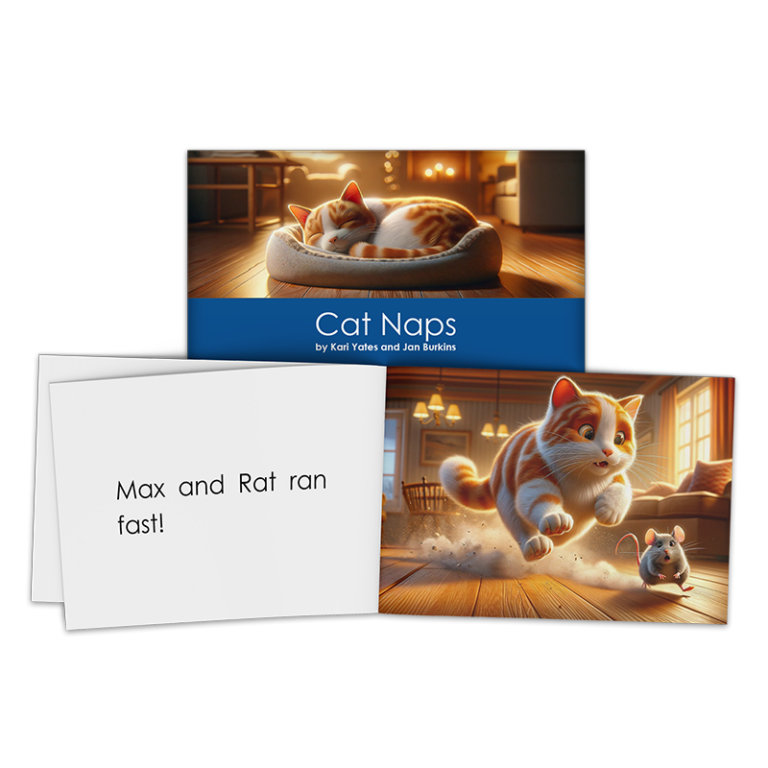
Cat Naps: Print-and-Assemble PDF
A delightful print-and-assemble decodable book for practicing short-a CVC words.
Get the resource →
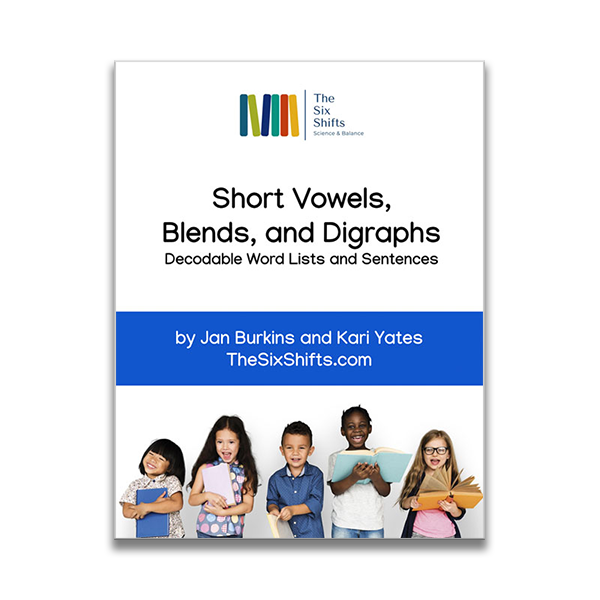
Short Vowels: Decodable Word Lists and Sentences
Short-vowel word lists, from simple CVC words to words with consonant blends and digraphs, plus corresponding decodable sentences to support...
Get the resource →
Cracking the Code on CVC Words (and Beyond!)
Take a closer look at CVC words, why they matter for beginning readers, and practical ways to connect early decoding...
Read the article →
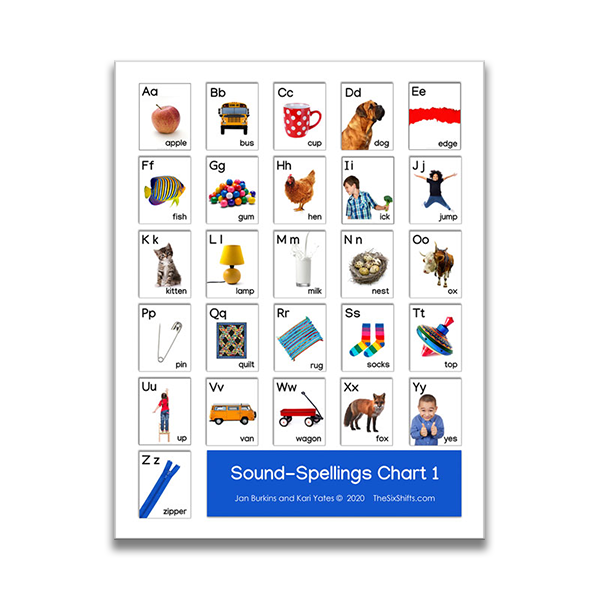
Sound-Spelling Charts for Beginning Readers
Three printable charts pairing the 26 letters with keyword pictures and common sound-spelling connections, plus ideas for active, cumulative practice.
Get the resource →
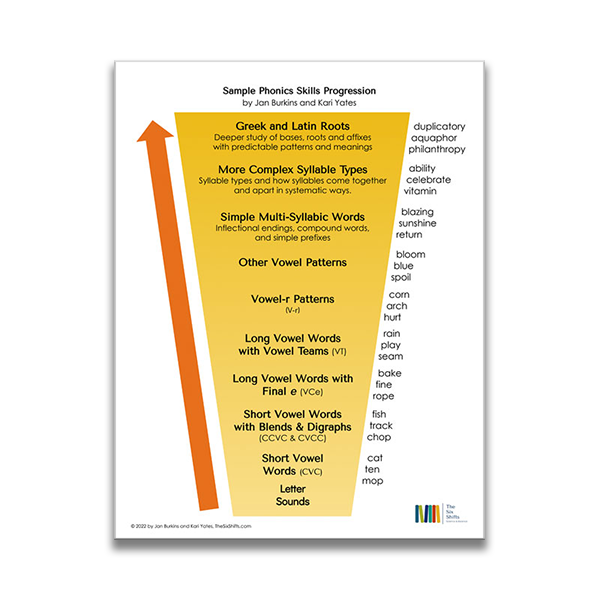
Phonics Skills Progression
A planning reference showing an example phonics skills progression, from the earliest decoding skills to complex multisyllabic words, with example...
Get the resource →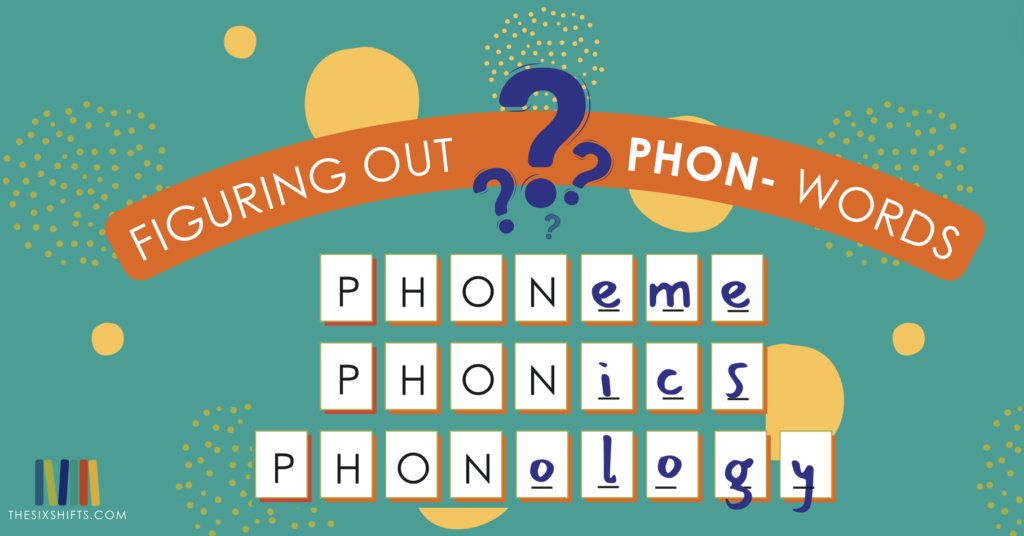
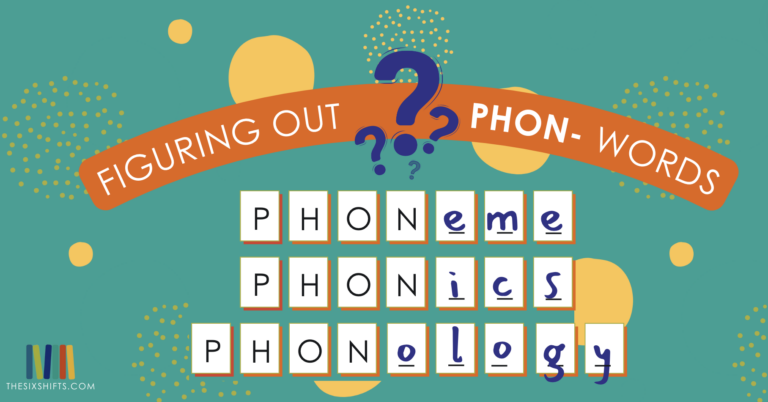
Phonemic Awareness vs. Phonics: Untangling Some Confusion
Untangle phonemic awareness and phonics: what each involves, how they connect, and what those distinctions mean for the instruction you...
Read the article →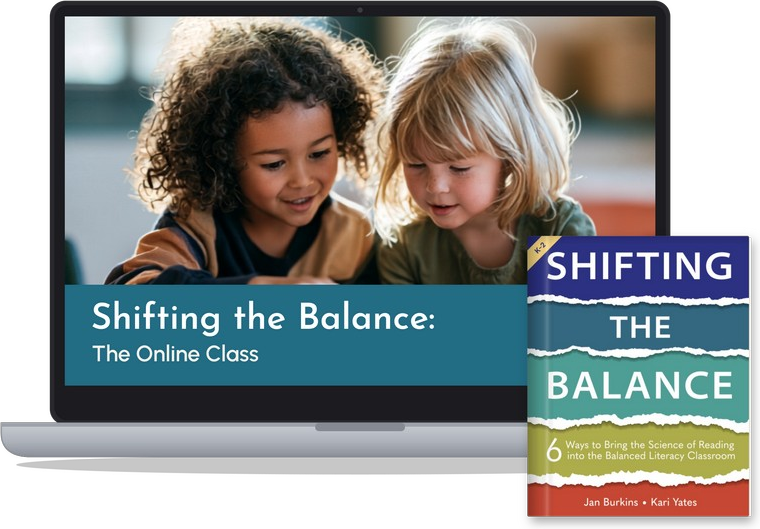
Shifting the Balance: Beginning Readers
K–2 teachers, reading specialists, coaches, and teams supporting beginning readers.
Explore the online class →
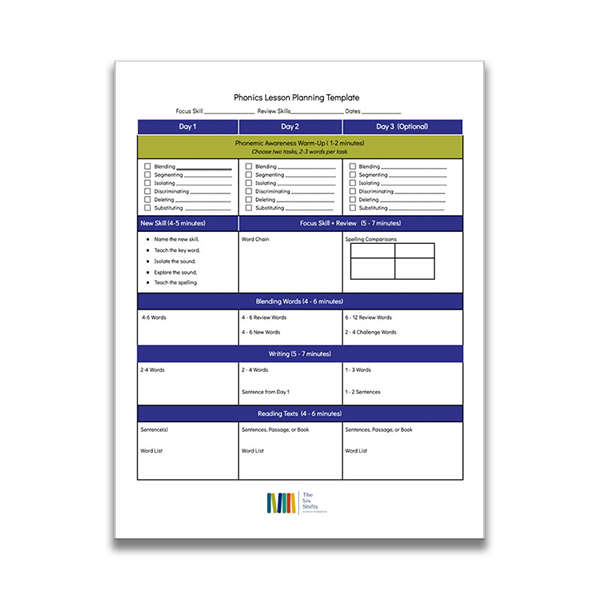
Explicit Phonics Lesson Planning Template
A flexible template and planning guidance for explicit phonics instruction for whole-class or small-group teaching.
Get the resource →
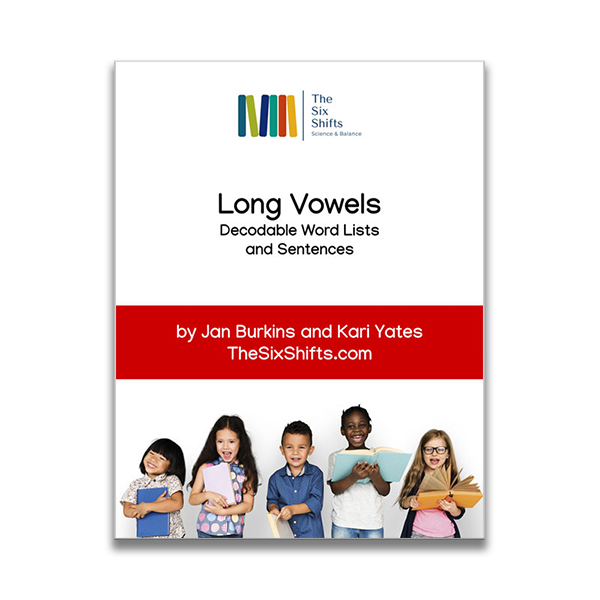
Long Vowels: Decodable Word Lists and Sentences
Word lists organized by long-vowel sound and common spelling patterns, with corresponding decodable sentences to support phonics instruction and ongoing...
Get the resource →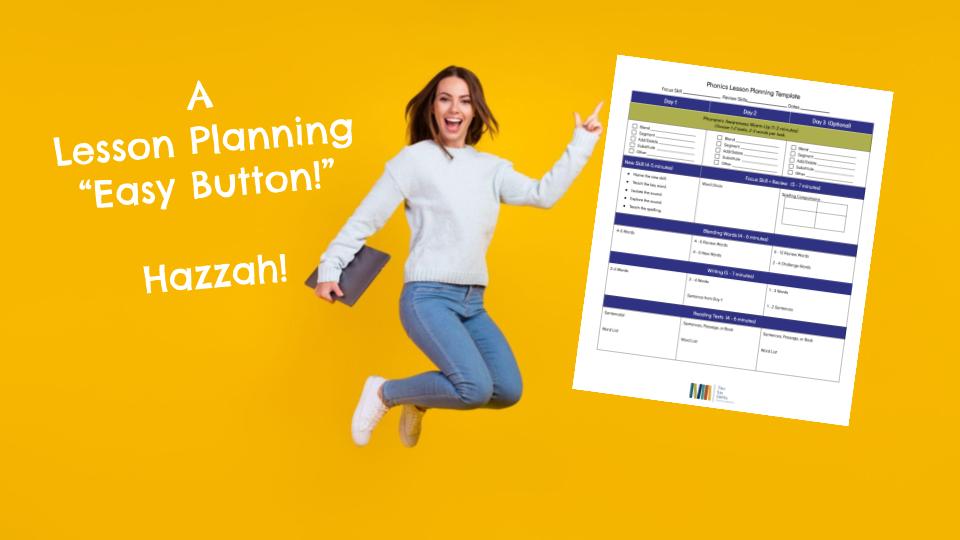
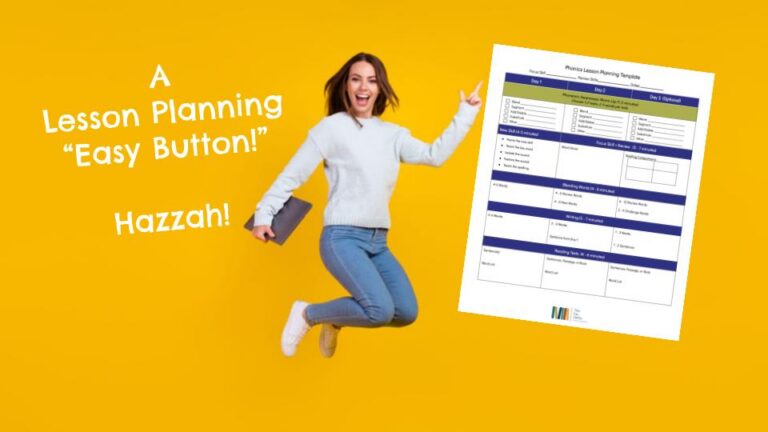
A Phonics Lesson Planning “Easy Button!”
Simplify phonics lesson planning with a flexible template that brings the components of explicit instruction together and helps you plan...
Read the article →
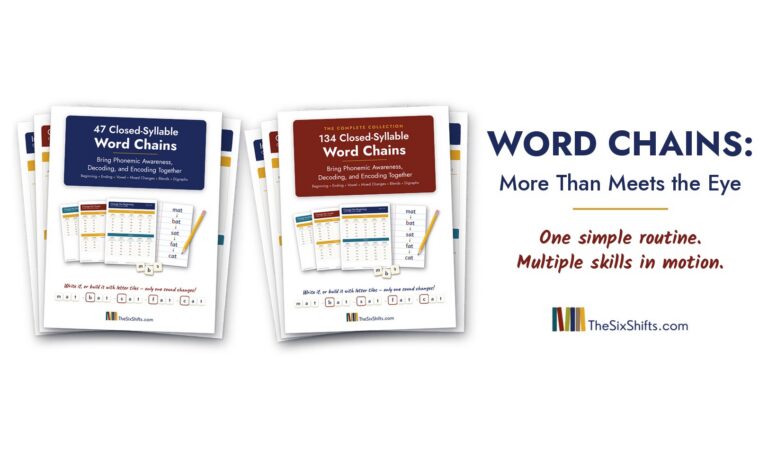
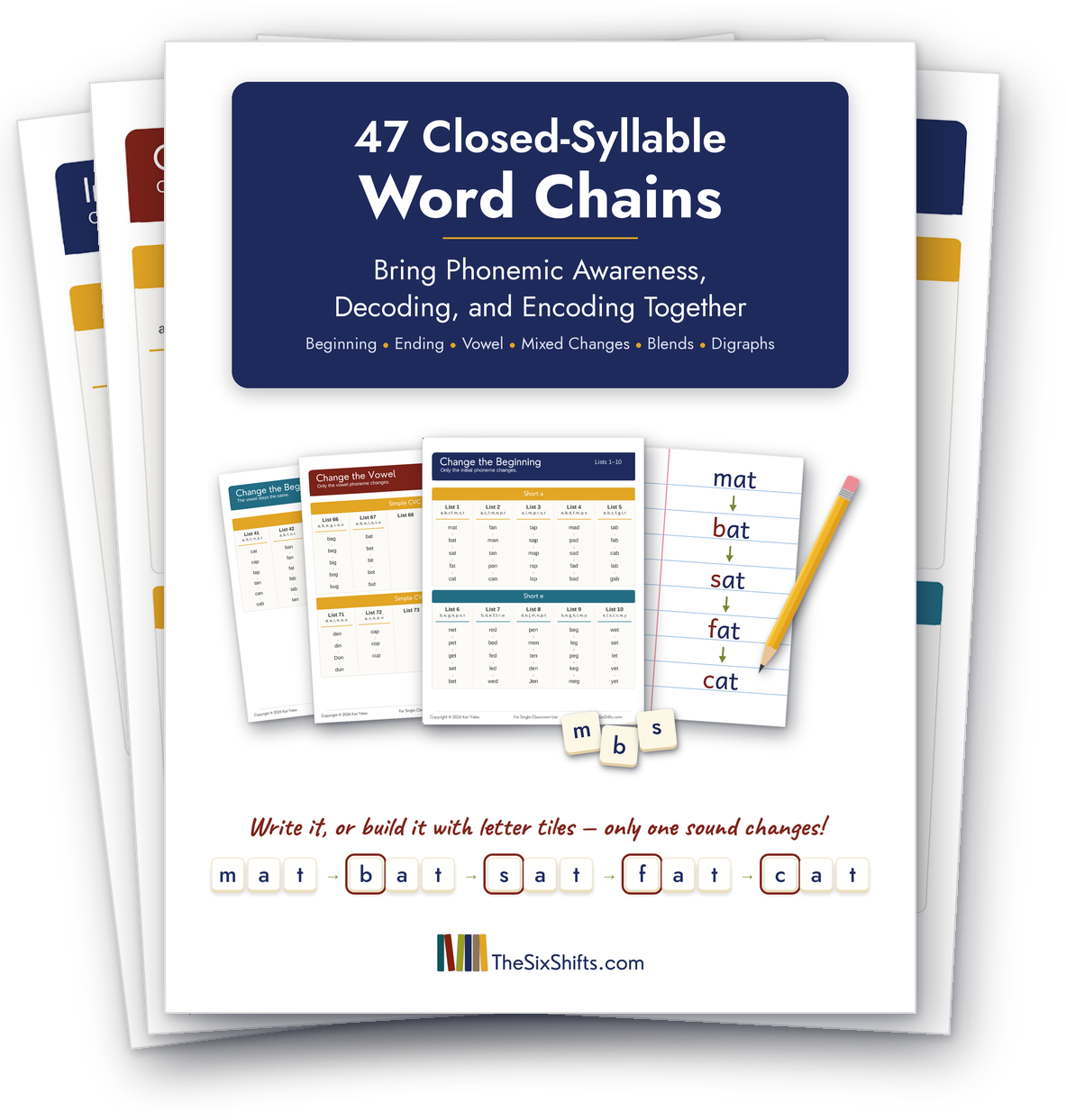
Word Chain Lists: 47 Closed-Syllable Word Chains
47 closed-syllable word chains that bring phonemic awareness, decoding, and encoding together as students listen, compare, change, spell, and read...
Get the resource →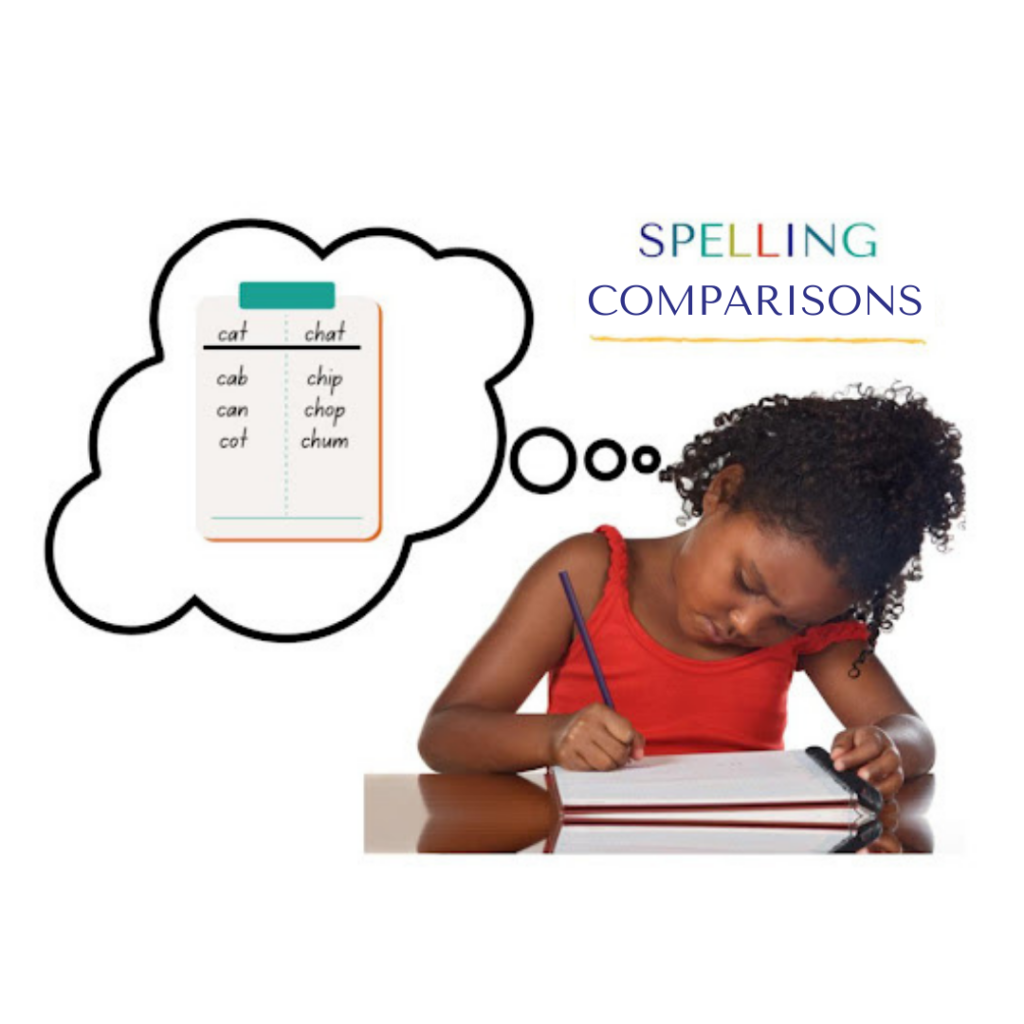
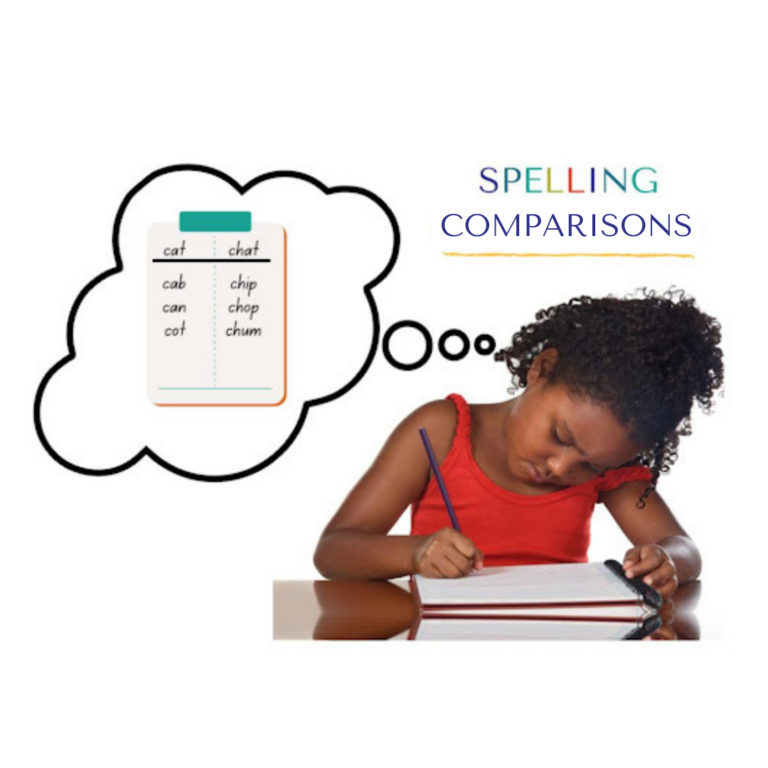
Using our Flexible Phonics Lesson Template (Part 8): Spelling Comparisons
Use spelling comparisons to help students notice differences between words and deepen their attention to the phonics patterns they are...
Read the article →
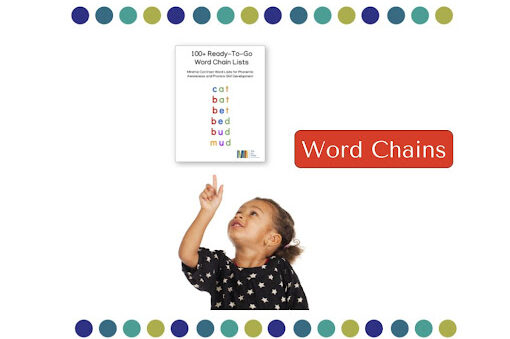
Using our Flexible Phonics Lesson Template (Part 7): Word Chains
Explore how word chains can extend explicit skills practice by asking students to notice, change, read, and spell words one...
Read the article →
Using Our Flexible Phonics Lesson Template (Part 6): Reading Text
Bring the phonics lesson into connected text, giving students opportunities to apply the patterns they’ve practiced as they read for...
Read the article →
Using Our Flexible Phonics Lesson Template (Part 5): Writing
Connect phonics instruction with writing, helping students apply what they know about sounds and spellings as part of a flexible...
Read the article →
Using Our Flexible Phonics Lesson Template (Part 4): Blending Words
Help students put sound-spelling knowledge to work through blending practice, connecting individual sounds to the words they read in a...
Read the article →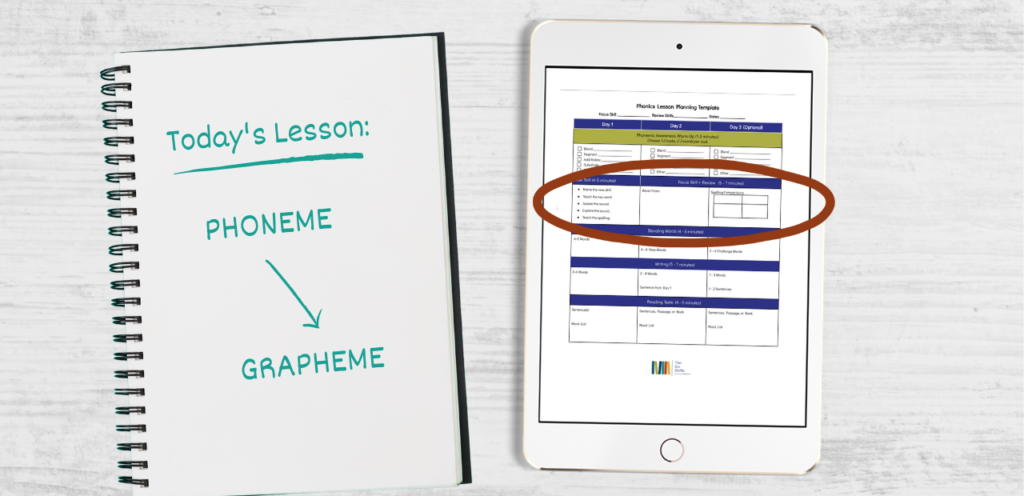
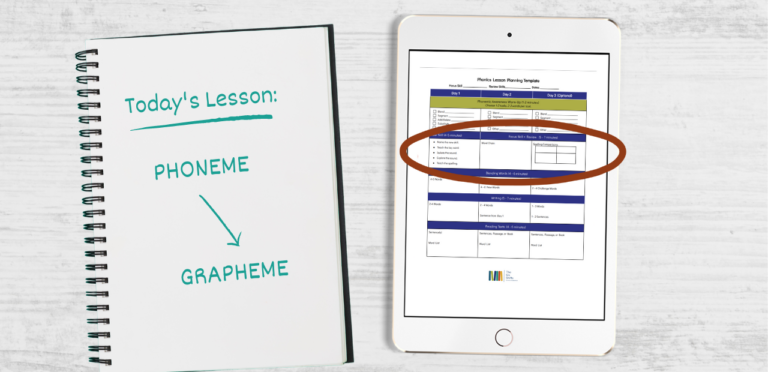
Using Our Flexible Phonics Lesson Template (Part 3): Explicit Skills Practice
Plan explicit practice with the phonics pattern students are learning, using a focused component of the flexible phonics lesson template.
Read the article →Tools & Classes for Teaching Phonics
Explore classroom tools and professional learning designed to support phonics instruction.
Blending Magic
Animated blending lines that make decoding practice meaningful, and take the prep out entirely.
Explore Blending Magic →Heart Word Success
A 10-step flipbook lesson for all 109 high-frequency words, built on orthographic mapping.
Explore Heart Word Success →Shifting the Balance: Beginning Readers
K–2 teachers, reading specialists, coaches, and teams supporting beginning readers.
Explore the online class →The Shift in a Nutshell
In Shifting the Balance (K–2), Shift 3, “Reimagining the Way We Teach Phonics,” names a common practice to reconsider: “Settling for a leave-too-much-to-chance approach to phonics instruction.” The shift it recommends: