




Decodable Texts
Explore articles, free downloads, and practical instructional resources for choosing and using texts that match what students can decode.
← Back to Search by Topic
Explore Free Resources
All resources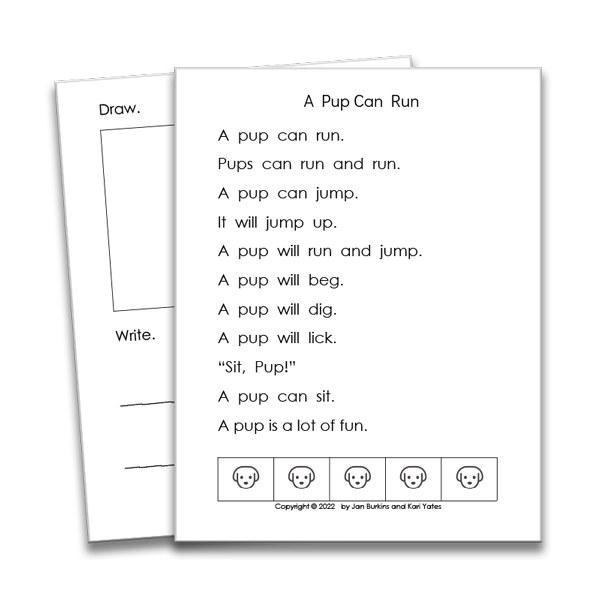
A Pup Can: Printable One-Pager
A one-page printable version of A Pup Can for short-vowel CVC decoding practice.
Get the resource →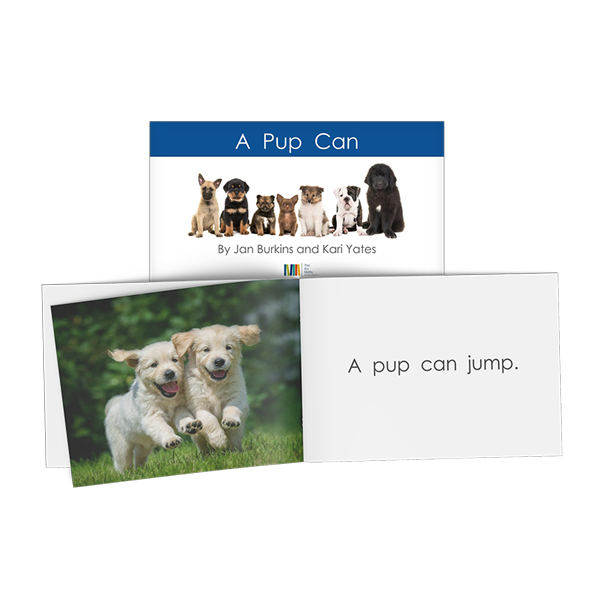
A Pup Can: Print-and-Assemble PDF
An engaging print-and-assemble decodable book for practicing short-vowel CVC words.
Get the resource →
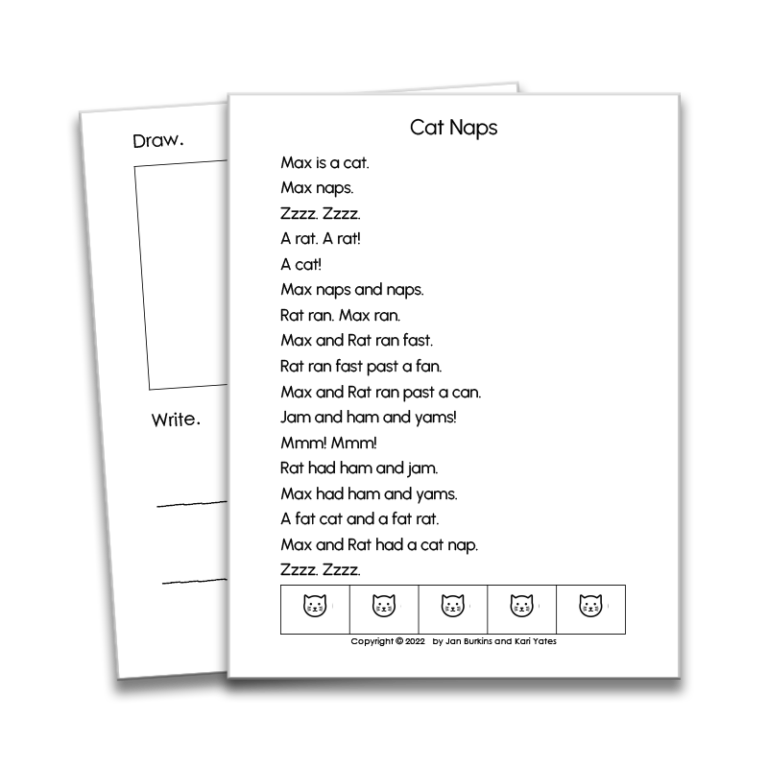
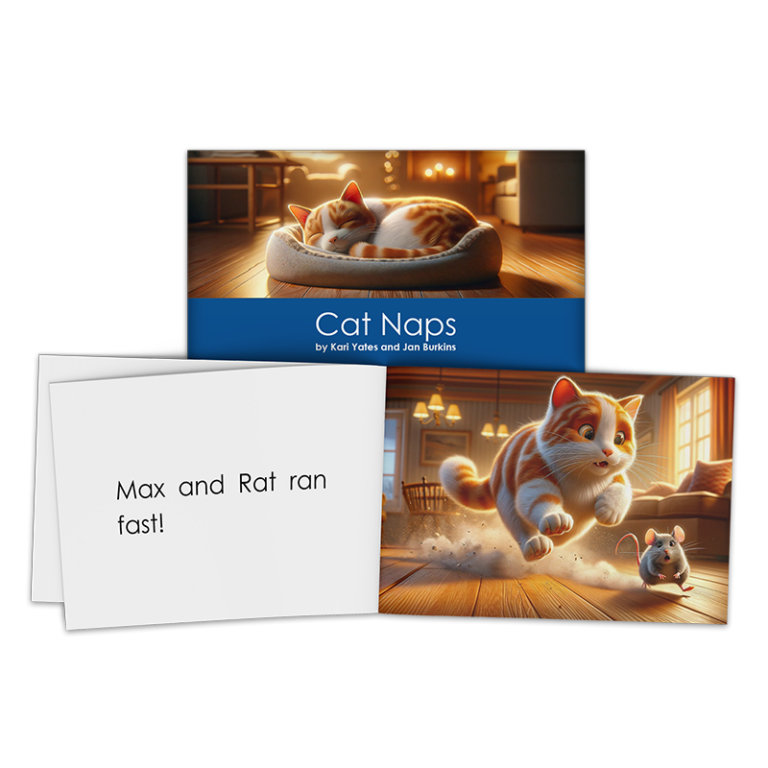
A New (Free) Decodable Text: Cat Naps!
Meet Cat Naps, a free decodable text for practicing short-a CVC words, and learn about the process of creating its...
Read the article →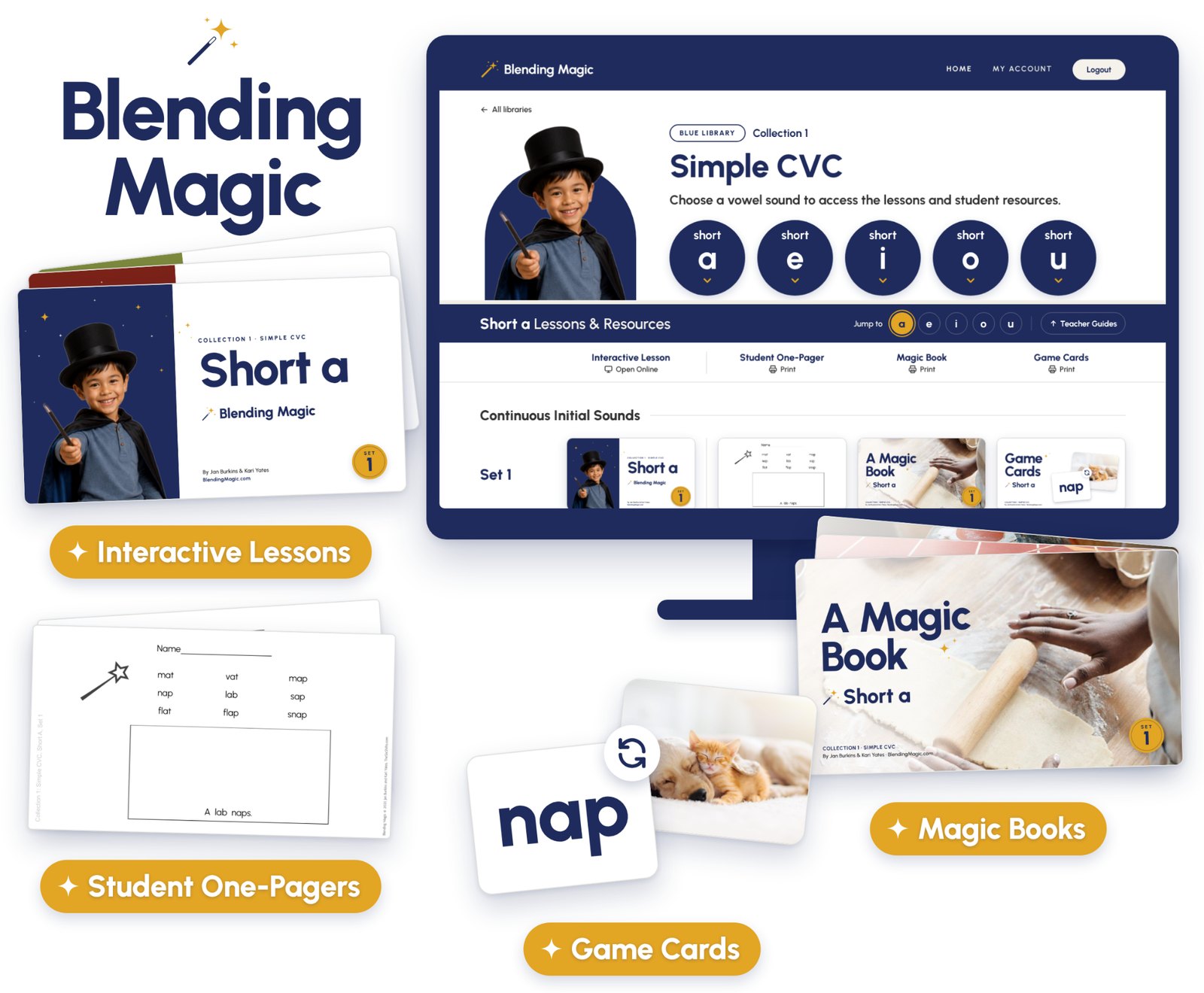
Blending Magic
Animated blending lines that make decoding practice meaningful, and take the prep out entirely.
Explore Blending Magic →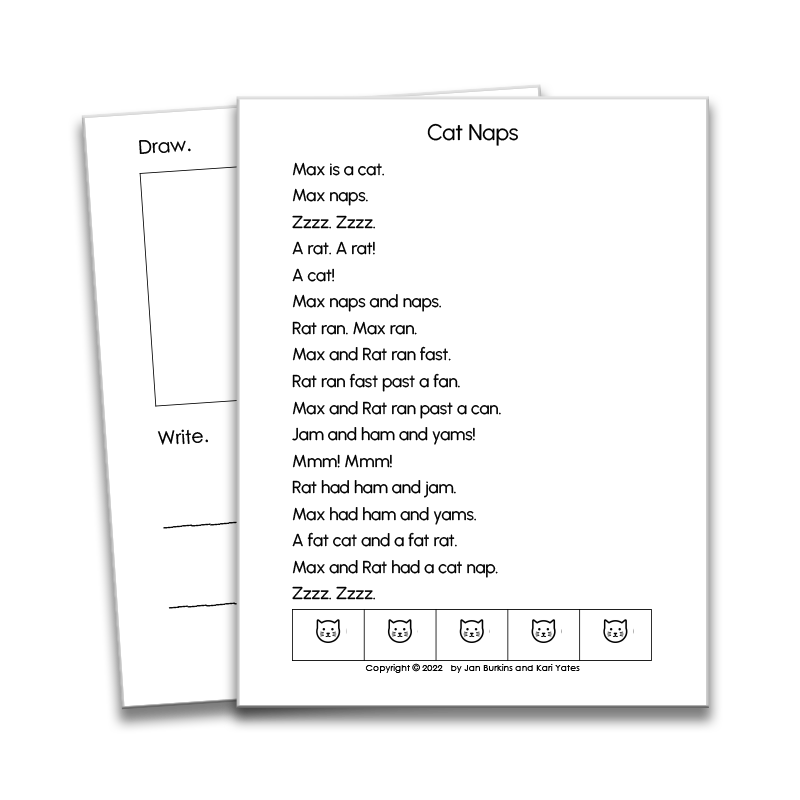
Cat Naps: Printable One-Pager
A one-page version of Cat Naps for short-a CVC decoding practice.
Get the resource →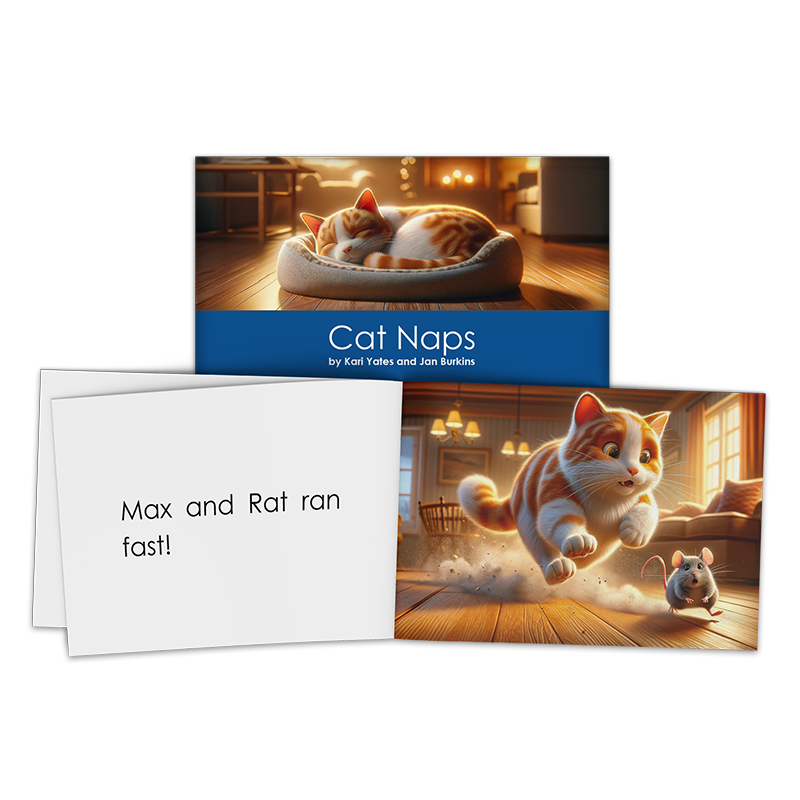
Cat Naps: Print-and-Assemble PDF
A delightful print-and-assemble decodable book for practicing short-a CVC words.
Get the resource →
Exploring Decodable Texts: A Go-To Resource
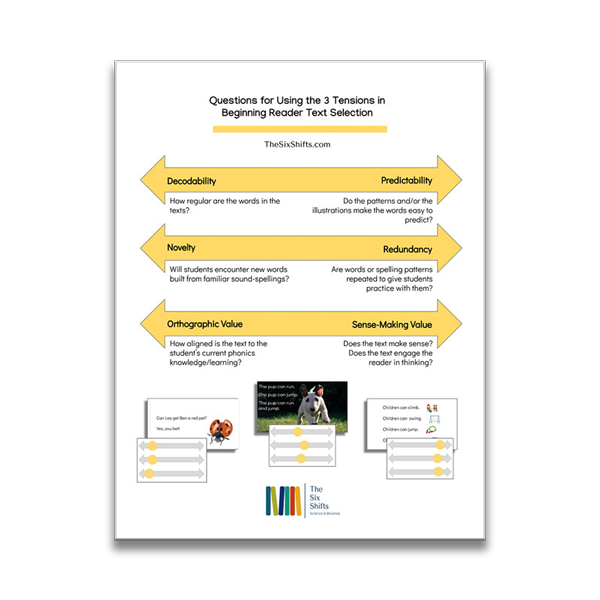
Find support for choosing and using decodable texts with beginning readers, including questions about the words, the meaning, and where...
Read the article →
Decodable Texts Q&A (Part 6): More Ideas for Getting Started
Find practical ideas for getting started with decodable texts and making them a useful part of instruction for beginning readers.
Read the article →
Decodable Texts Q&A (Part 5): What About FREE Decodable Books and Texts?
Explore free decodable books and texts, including questions to consider as you decide which resources will serve your beginning readers...
Read the article →
Decodable Texts Q&A (Part 4): What Else to Look For – The MEANING
Look beyond the phonics patterns in a decodable text to consider its meaning, language, and potential for worthwhile conversations with...
Read the article →
Shifting the Balance: Beginning Readers
K–2 teachers, reading specialists, coaches, and teams supporting beginning readers.
Explore the online class →
Decodable Texts Q&A (Part 3): What to Look for – The WORDS
Take a closer look at the words in decodable texts and consider how their spelling patterns fit the phonics knowledge...
Read the article →
Decodable Texts Q&A (Part 2): How many?
Consider how many decodable texts you need and what to look for when building a collection to support beginning readers’...
Read the article →
Decodable Texts Q&A (Part 1): What? Why? Who?
Explore what decodable texts are, why they can be useful, and which readers need opportunities to practice with them.
Read the article →
Looking for free decodable texts? We wrote one for you!
Meet a free decodable text about pups and find another resource for giving beginning readers purposeful opportunities to practice their...
Read the article →
7 Ways to Use Our Decodable Word Lists and Sentences (Part 2)
Find more ways to use decodable word lists and sentences to supplement phonics instruction and provide practice with the patterns...
Read the article →7 Ways to Use Our Decodable Word Lists and Sentences (Part 1)
Explore practical ways to put decodable word lists and sentences to work, making these resources a useful supplement to your...
Read the article →Tools & Classes for Decodable Texts
Explore classroom tools and professional learning designed to support decodable text instruction.
Blending Magic
Animated blending lines that make decoding practice meaningful, and take the prep out entirely.
Explore Blending Magic →Shifting the Balance: Beginning Readers
K–2 teachers, reading specialists, coaches, and teams supporting beginning readers.
Explore the online class →The Shift in a Nutshell
In Shifting the Balance (K–2), Shift 6, “Reconsidering Texts for Beginning Readers,” names a common practice to reconsider: “Overrelying on predictable texts to get kids quickly up and reading.” The shift it recommends: