Finding the Right Science of Reading Book
If you've been searching for the best science of reading books for elementary teachers, you've probably discovered that there is no shortage of options. That's good news for educators, but it can also make it difficult to know where to begin.
One question we hear often is:
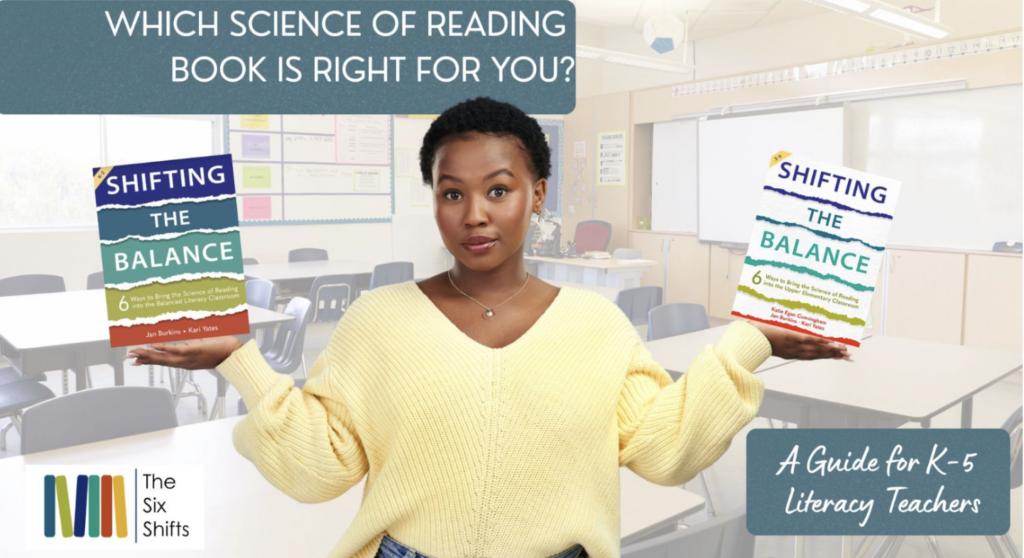
"Which Shifting the Balance book should I read first?"
It's a fair question. While the two books were written for different stages of reading development, they were never intended to live in separate worlds. In fact, they were designed to work together.
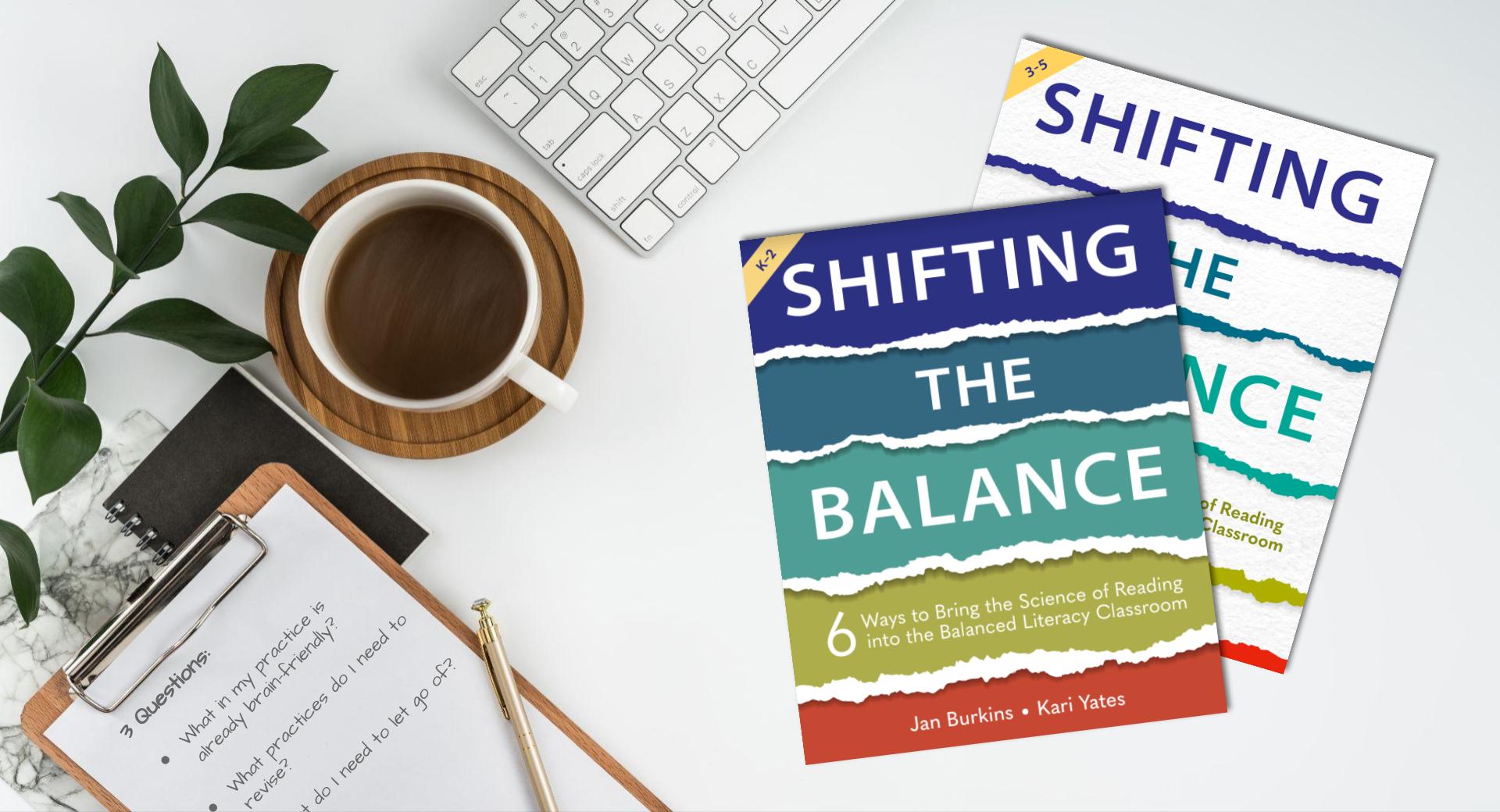
The first book, Shifting the Balance: 6 Ways to Bring the Science of Reading into the Balanced Literacy Classroom, focuses primarily on beginning readers and the foundational understandings that support successful reading development.
The second book, Shifting the Balance: 6 Ways to Bring the Science of Reading into the Upper Elementary Classroom, focuses on developing readers who are moving beyond sound-by-sound decoding and into increasingly complex text, vocabulary, fluency, morphology, and comprehension work.
Together, they provide a roadmap for understanding reading development across the elementary years.
So, which science of reading book is right for you?
The short answer is: both.
The longer answer depends on your students, your goals, and where you are in your own learning journey.
How the Two Science of Reading Books Connect
Although the books are often referred to as the "K–2 book" and the "3–5 book," the science behind them is not confined to specific grade levels.
Reading development doesn't happen neatly according to a student's age or grade. A third grader may still need support with foundational reading skills. A first grader may already be developing fluency and engaging with increasingly complex texts.
For that reason, we encourage educators to think less about the grade-level labels on the covers and more about the stage of reading development their students are navigating.
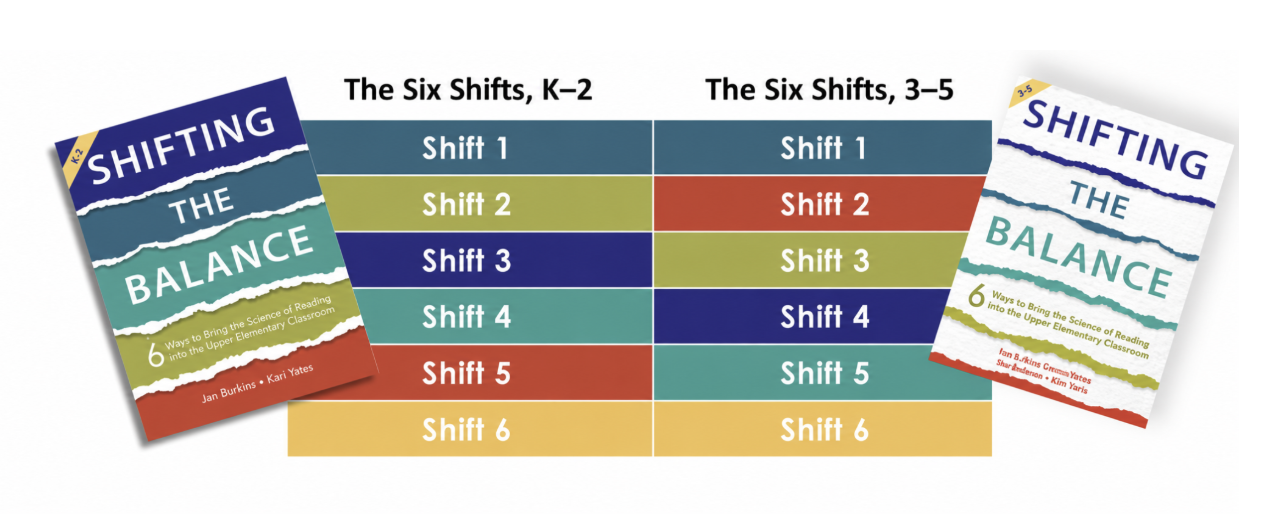
The shifts in the second book build naturally upon the shifts introduced in the first book. The color-coding across the books reflects these connections and highlights how understanding beginning readers lays the groundwork for supporting developing readers.
Why These Books Matter
When the first Shifting the Balance book was published, many educators were just beginning to explore the science of reading. Today, that's no longer the case.
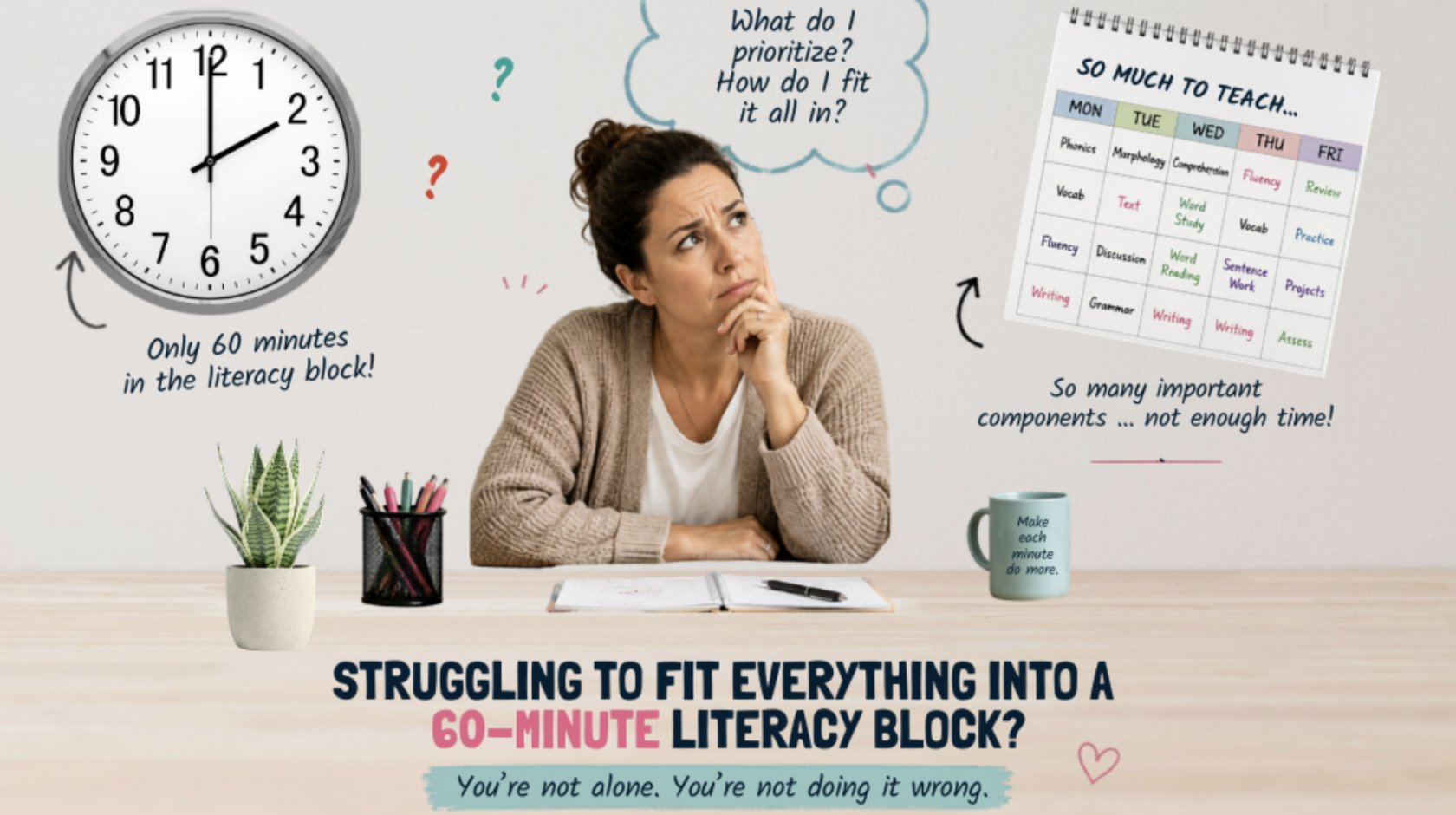
Most teachers have attended workshops, listened to podcasts, read professional books, and engaged in professional learning around reading research. Yet many still find themselves asking:
- • How do all these ideas fit together?
- • What should I prioritize in my instruction?
- • How do I translate research into everyday classroom decisions?
- • What does this look like across the full span of reading development?
The goal of the Shifting the Balance books has never been simply to introduce research. Rather, the books are designed to help educators make sense of that research, connect it to classroom practice, and develop a clearer understanding of how reading develops across the elementary years.
Whether you're just beginning your science of reading journey or looking to deepen and refine your implementation, the shifts offer a framework for turning knowledge into action.
Which Science of Reading Book Should You Read First?
Four Pathways Through the Shifting the Balance Books
So where should you begin? The answer depends on your students, your goals, and your current questions about reading instruction. Here are four pathways that can help you choose a starting point.
🎯 Select a Pathway to Jump to Section
Pathway #1: Start at the Beginning
If you're the type of person who likes to understand the full story before moving on to the next chapter, this pathway is for you.
In many ways, the two books can be viewed as Part 1 and Part 2 of a larger conversation about reading development. The first book focuses on beginning readers and the foundational understandings that support successful reading.
The second book builds on that foundation and explores the instructional shifts that support developing readers as they tackle increasingly complex texts.
Even if you teach grades 3–5, there is tremendous value in understanding the foundations that support reading development. Likewise, K–2 teachers can benefit from understanding where their students are headed next.
If you enjoy seeing how ideas connect and build over time, start with the K–2 book and then move into the 3–5 book.
Pathway #2: Let Your Students Be Your Guide
This pathway begins with a simple question:
What do my students need most right now?
If the majority of your students are reading on track and successfully navigating grade-level text, begin with the book that matches the grade span you teach.
However, many teachers work with students who have unfinished learning or significant reading gaps. If your students are struggling with foundational skills such as decoding, word recognition, or automaticity, the K–2 book may be the better starting point, even if you teach upper elementary grades.
On the other hand, if your students have a solid foundation and are ready for more sophisticated work with fluency, vocabulary, morphology, knowledge building, and comprehension, the 3–5 book may be the place to begin.
Think less about your students' ages and more about where they are in their reading development.
Pathway #3: Follow Your Curiosity
Sometimes the best place to begin is with the questions that are already keeping you up at night.
Are you trying to make sense of phonemic awareness instruction? Wondering how phonics fits into the bigger picture of reading development? Curious about the role of high-frequency words or why so many educators are rethinking MSV?
Start with the K–2 book.
Or perhaps you're wrestling with questions about comprehension, strategy instruction, vocabulary, fluency, morphology, or independent reading practice.
In that case, the 3–5 book may be the better fit.
⚠️ One note of caution: the shifts within each book were intentionally designed to build on one another. While you may be especially eager to jump to a particular shift, we encourage you to read the books from beginning to end. The ideas are interconnected, and each shift provides important context for the ones that follow.
Pathway #4: Keep It Simple
If all of this feels like overthinking, there is absolutely nothing wrong with taking the most straightforward route.
Teach K–2? Start with the K–2 book.
Teach grades 3–5? Start with the 3–5 book.
This pathway makes perfect sense because the classroom examples, student work, and instructional applications were written with those grade spans in mind.
Once you've finished the book that aligns most closely with your current teaching assignment, consider reading the companion volume. Together, the two books provide a broader understanding of reading development and instructional decision-making across the elementary years.
Whichever pathway you choose, you'll find that the books are less like separate destinations and more like two connected sections of the same road.
What Topics Are Covered in Each Shifting the Balance Science of Reading Book?
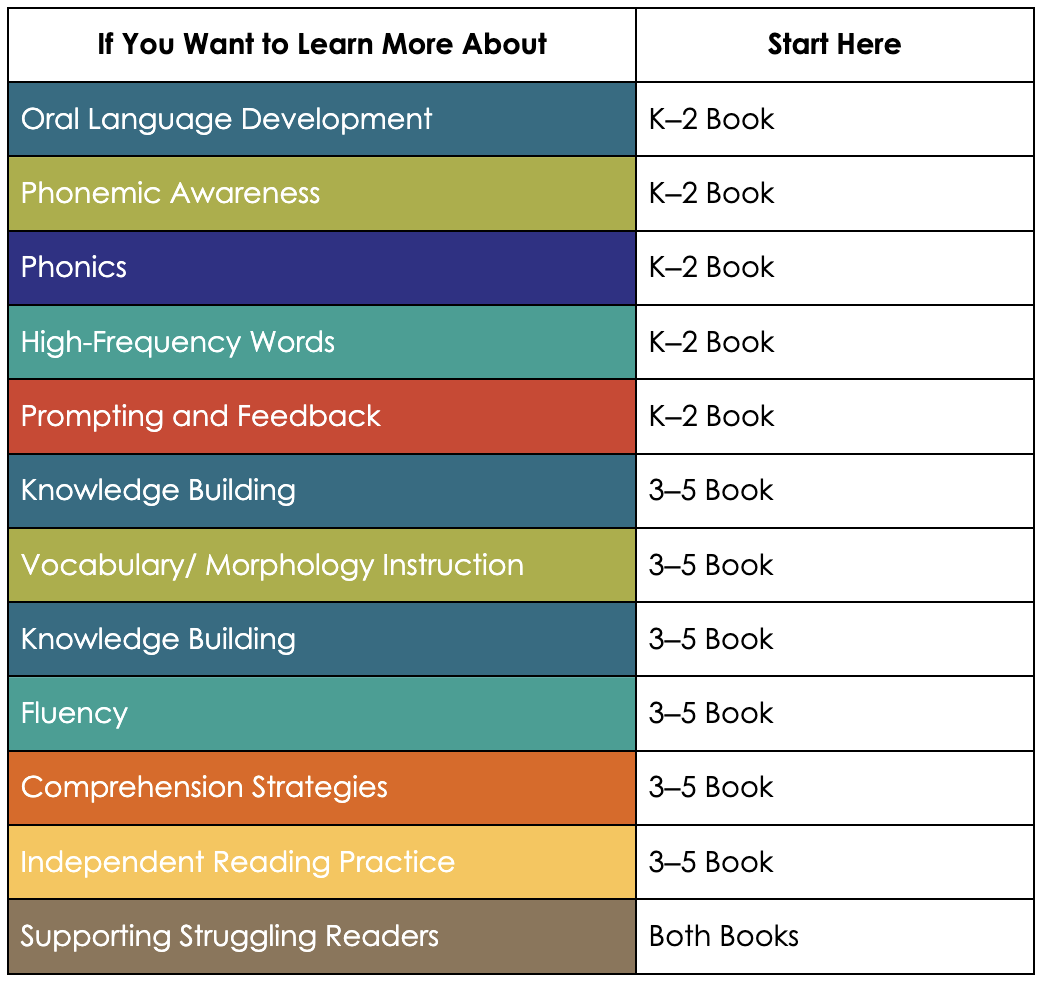
Although the two books are closely connected, they each shine a light on a different stage of reading development. The table below provides a quick overview of the major topics explored in each book and may help you identify the best starting point for your current needs.
Frequently Asked Questions About Science of Reading Books
Q: What is the best science of reading book for elementary teachers?
A: The best science of reading book depends on your students and your instructional goals. Teachers supporting beginning readers often benefit from learning about phonemic awareness, phonics, and decoding, while teachers of developing readers may be more interested in fluency, vocabulary, morphology, and comprehension.
Q: Do I need to read both Shifting the Balance books?
A: No. Each book can stand on its own. However, the two books were intentionally designed to complement one another and provide a fuller picture of reading development across the elementary years.
Q: Are Science of Reading books only for K–2 teachers?
A: No. Reading science applies across grade levels. Many upper elementary students still need support with foundational skills, while many younger students are ready for more advanced work with fluency, vocabulary, and comprehension.
Q: What are the best Science of Reading books for upper elementary teachers?
A: Upper elementary teachers often benefit from resources that address vocabulary, morphology, fluency, knowledge building, and comprehension, while also acknowledging that some students may still need support with foundational reading skills.
The Books Are Just the Beginning
Whichever pathway you choose, our hope is that these books help you feel both validated and empowered.
The science of reading is not a collection of isolated strategies or programs. It is an evolving understanding of how reading develops and how educators can best support that development.
The two Shifting the Balance books were written to help educators move beyond individual research findings and see the bigger picture of reading development. Together, they offer a framework for making instructional decisions, connecting research to practice, and supporting readers across the elementary years.
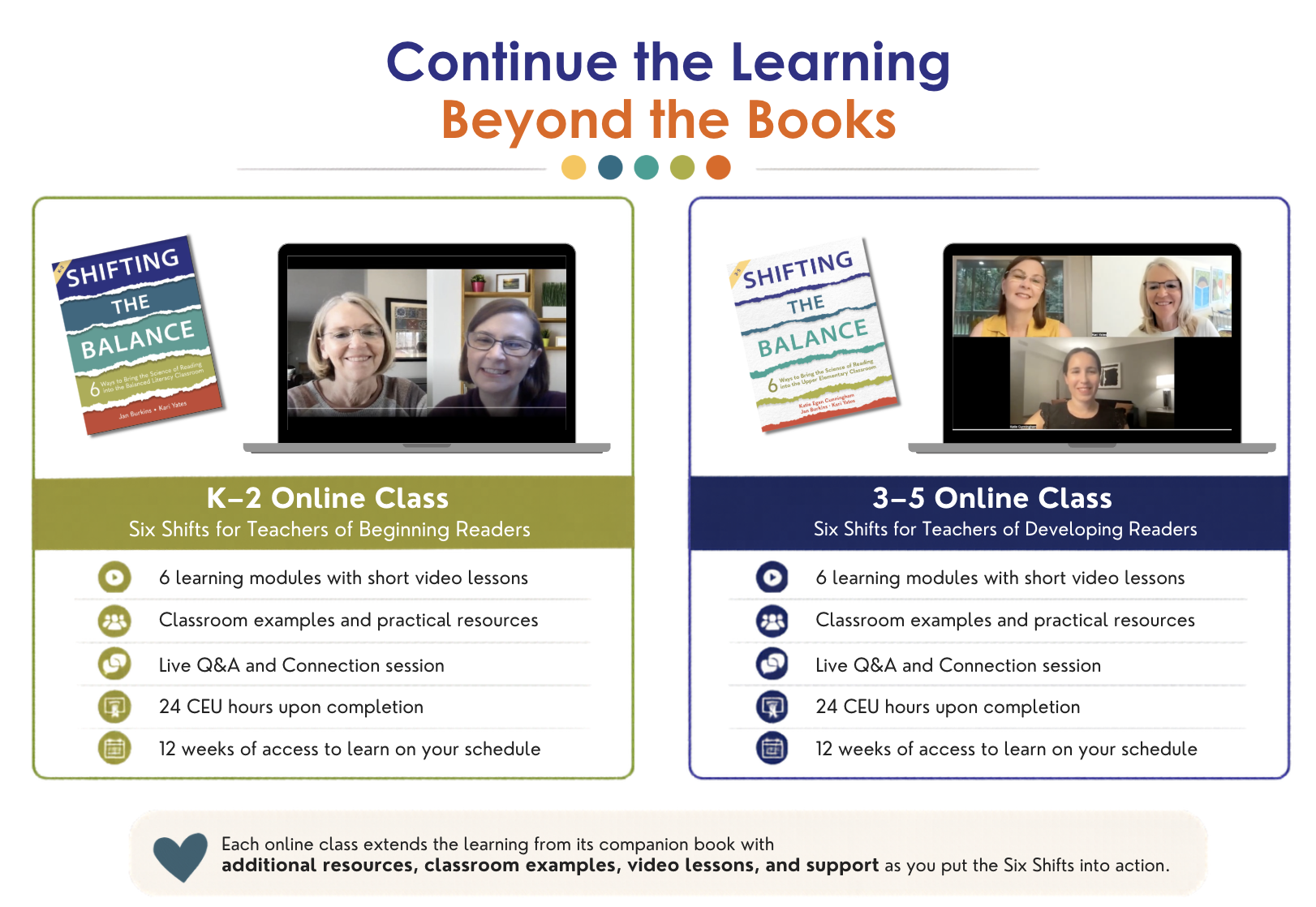
Shifting the Balance Online Classes
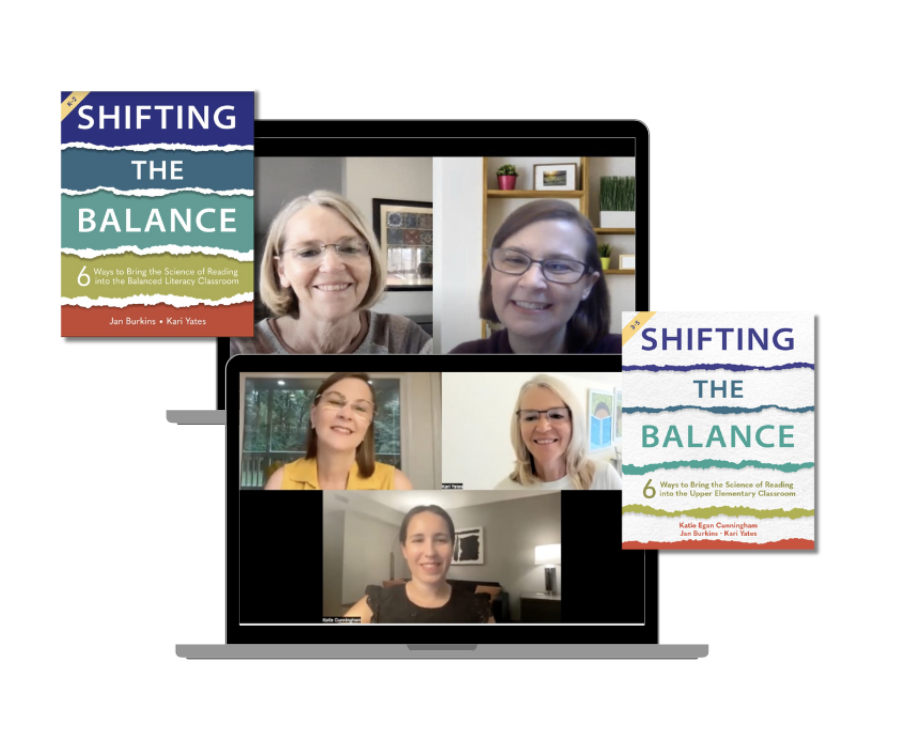
If you'd like support along the way, we invite you to join one of our online courses. Each course extends the learning from its companion book with additional resources, classroom examples, video lessons, and opportunities to ask questions as you work through the shifts. We'd love to learn alongside you.
Explore the Online ClassesNot Sure What Comes Next?
Whether you're reading independently, leading a book study, supporting a PLC, or thinking about schoolwide implementation, the next step isn't always obvious.
We created this Professional Learning Roadmap to help educators think through the many ways learning can continue beyond the books.
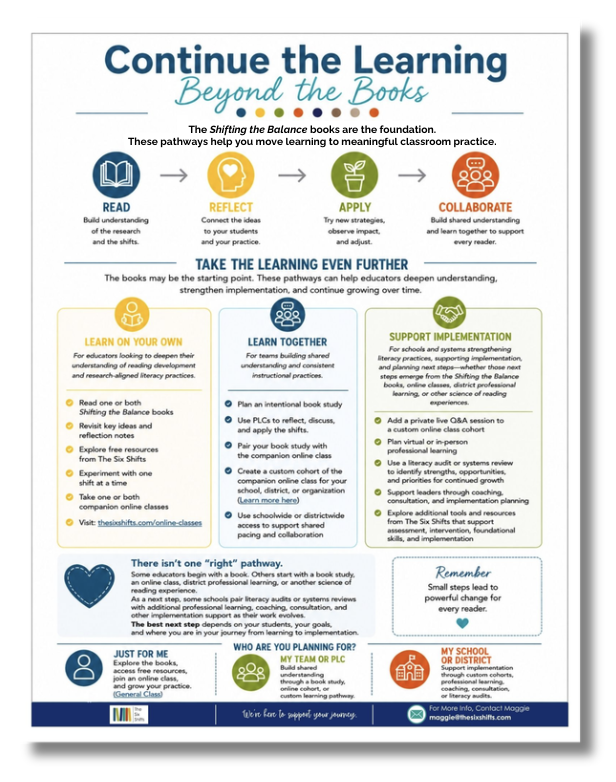
Beyond the Books: A Professional Learning Roadmap for the 12 Shifts
A one-page guide to:
- • Building understanding
- • Learning with colleagues
- • Supporting implementation
- • Exploring professional learning options for individuals, teams, and schools
Whether you're building foundational knowledge or refining implementation, our hope is that these books help you move forward with greater clarity, confidence, and purpose.