
New: Bricks & Mortar: Filling Literacy Gaps 3–5+: filling literacy gaps in grades 3–5. Enrollment is open →
New: Bricks & Mortar: Filling Literacy Gaps 3–5+. Enrollment is open. Explore the class →
Home› Resource Library› Articles & Insights› What do Dark Chocolate, Coffee, and Literacy Instruction Have in Common?
Article

What do Dark Chocolate, Coffee, and Literacy Instruction Have in Common?

Chocolate and coffee offer a familiar lens for examining confirmation bias and the challenge of looking beyond reading research that supports what we already believe.

What do Dark Chocolate, Coffee, and Literacy Instruction Have in Common?

It’s tempting to look for research to prove an opinion we already hold and feel deeply committed to. 

Kari loves dark chocolate. 

And she knows there’s research that shows it has many sweet benefits. 

Jan loves coffee.

And she’s relieved to know there’s research to show it has lots of positive perks.

But is the research complete? Conclusive? Clear? Well-designed? 

And could it be that a long-time love of dark chocolate or coffee makes each of them more likely to seek out certain positive findings – those that coincide with what they really want to hear and already believe?

Who wouldn’t be quick to believe scientists who conclude that their vices might actually be virtues rather than believe those whose research conclusions might suggest that a difficult change is in order? (Give up chocolate or coffee? Are you kidding us?) 

We are all prone to confirmation bias–the tendency to see what we want to see when we look at research or listen to the ideas of others. And confirmation bias is a driver of some of the polarity and divisiveness that currently exists in the field of early literacy.

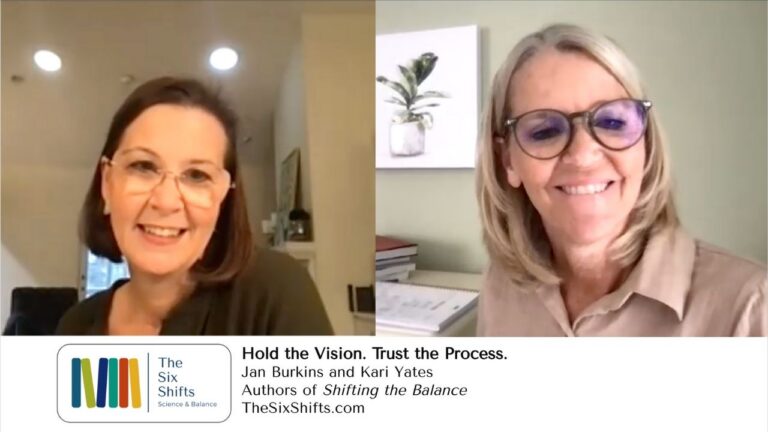
In this “blast from the past” video, Jan and Kari talk about confirmation bias, which is one of the tricky things about interpreting research. (Heads up, Kari seems to do a lot of chewing in the video). 

And in this corresponding “blast from the past” blog post, we explore Three Things that Can be Tricky about Interpreting Research.

Jan and Kari ❤️

Your next step

Free Resource Library

Find something you can use tomorrow.

Free downloads, articles, and videos for K–5 literacy, organized so you can find exactly what you need and put it to work right away.

Keep reading