Phonics

Dive into the essentials of phonics instruction with this collection of resources designed to support your systematic, explicit, and cumulative instruction in letter-sound relationships. Our Phonics Content Corner offers practical guides, research insights, and ready-to-use activities that will make decoding accessible, meaningful, and enjoyable for your students.

Read

Phonics Blog Articles

In this post, we highlight an effective spelling comparison routine for explicit skill practice in literacy education.
Learn about the effectiveness of word chains in phonics lessons, enhancing students' decoding skills and language proficiency.
Explore our flexible phonics lesson template for facilitating students' reading text comprehension and fluency development.
Discover the importance of incorporating a flexible phonics lesson template to enhance writing skills development in students.
This flexible phonics lesson template can help effectively teach students blending words for improved reading skills.
The article advocates for a flexible phonics lesson template, enabling efficient explicit skills practice in literacy education.
2 / 32

DownloadS

Resources for Phonics

Easily plan phonics lessons with our free phonics PDF template. Includes a flexible framework for delivering explicit, research-based phonics instruction.
Free printable word chain lists for phonics practice. 47 closed-syllable word chains that build phonemic awareness, decoding and encoding.
A collection of word lists for the most common long vowel spelling patterns to support phonics instruction and ongoing formative assessment.
A collection of short vowel word lists to support phonics instruction and formative assessment. Includes lists of simple CVC words for every short vowel sound.
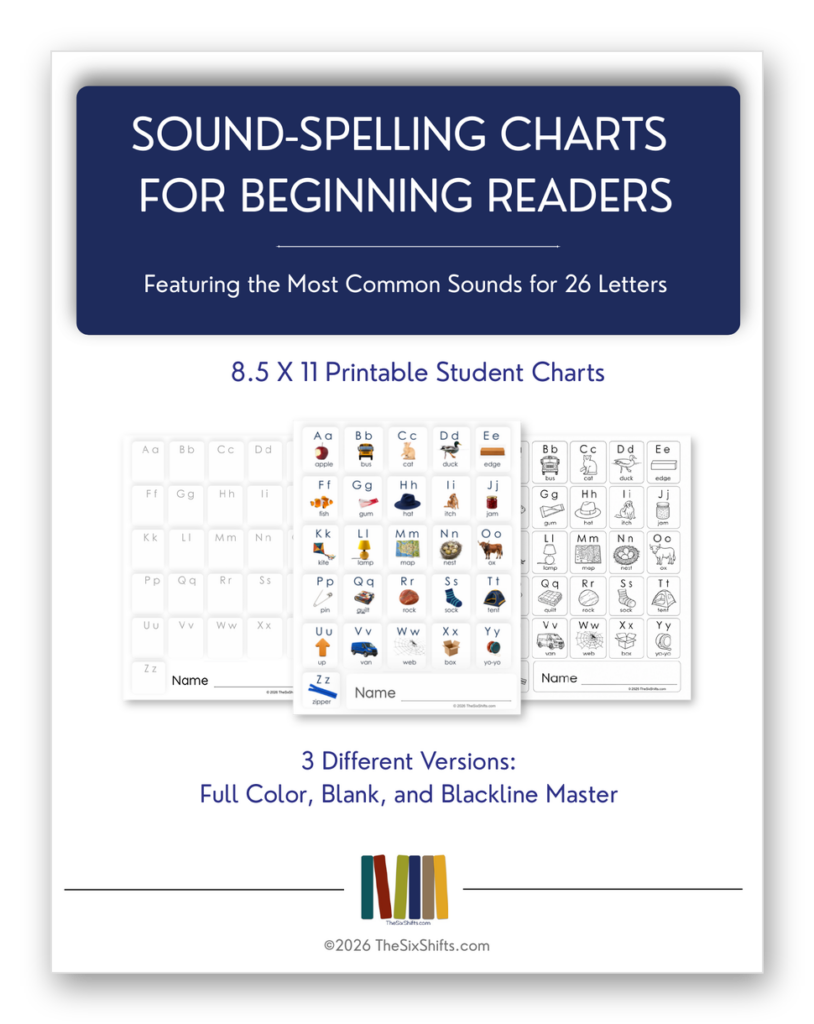
Download this phonics chart with 26 graphemes and short vowel sounds. Perfect for beginning readers with decodable key words to build foundational skills.
Promote decoding with purpose. This printable K–2 resource offers gentle prompts to help students bridge the gap between reading words and understanding them.